
Forgot to Buy Halloween Candy? What to Do When Trick-or-Treaters Are Almost Here
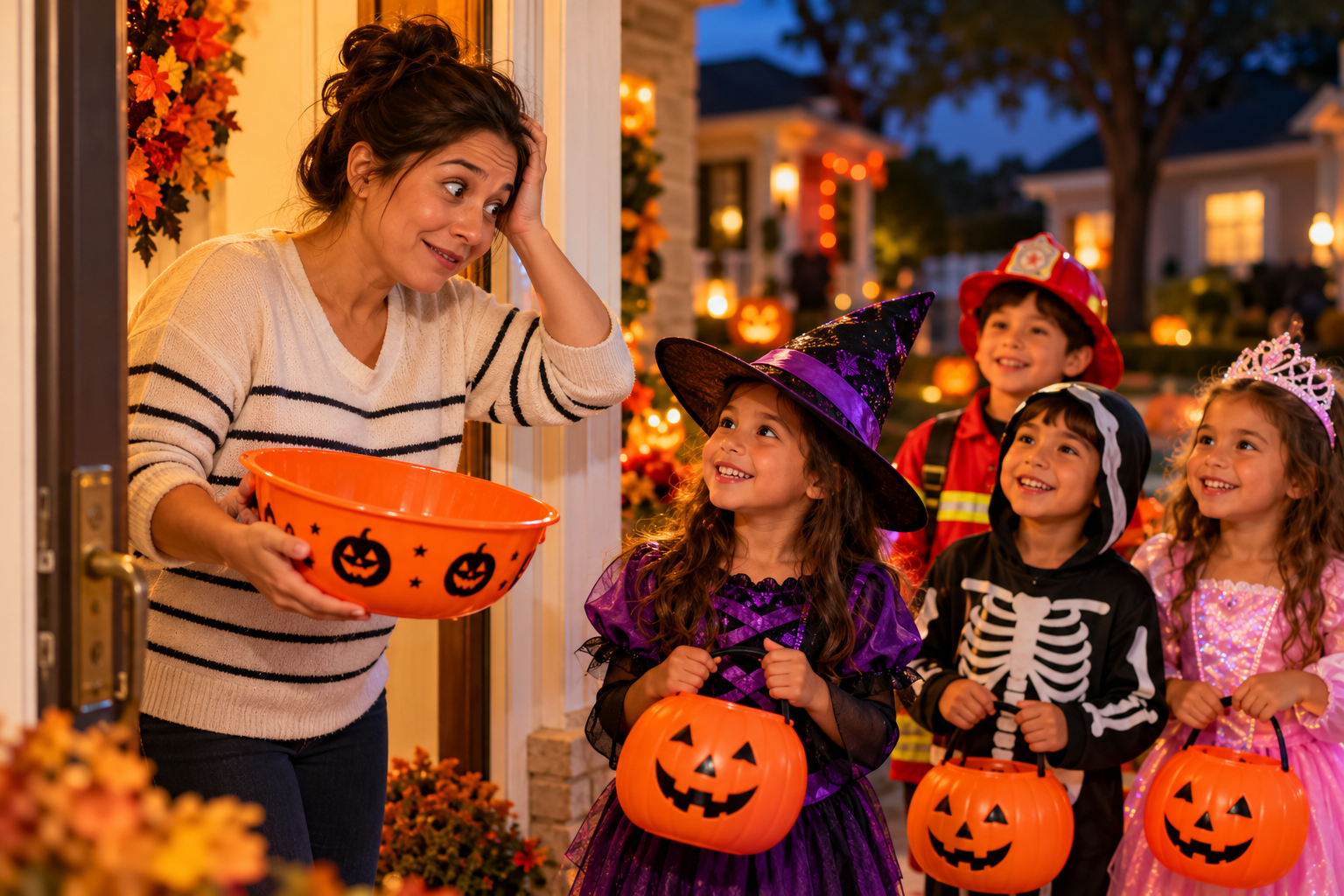
Forgot to Buy Halloween Candy? Here’s What to Do Immediately
It’s Halloween night in Austin, Cedar Park, or Leander. Children are getting ready to trick-or-treat, neighbors have decorated their homes, and families are preparing for an exciting evening. Suddenly, you realize that nobody remembered to buy Halloween candy.
Whether work ran late, the day became unusually busy, or someone assumed another family member had purchased treats, the situation can create unnecessary stress. Fortunately, forgetting candy does not mean you have ruined Halloween.
If you forgot to buy Halloween candy, check nearby stores for individually wrapped treats, consider suitable nonfood alternatives, or politely indicate that your household is not distributing candy. You are not required to make an emergency shopping trip or provide something inappropriate simply because children are approaching your door.
The following practical solutions can help families manage this common Halloween problem without embarrassment or unnecessary expense.
1. Check Whether You Have Time for a Quick Shopping Trip
Before leaving home, determine whether trick-or-treating has already started. Some families with younger children begin early, while others visit homes later in the evening. If you have sufficient time, a nearby grocery store, pharmacy, or convenience store may still have candy available.
You do not need Halloween-themed packaging. Regular, commercially wrapped treats can work just as well. Checking store hours and inventory before leaving may prevent a wasted trip, particularly when seasonal products are selling out.
However, if shopping requires leaving young children unattended or making a stressful trip across town, consider another solution. Halloween should remain enjoyable rather than becoming an unexpected emergency.
2. Look for Suitable Alternatives Already at Home
If purchasing candy is inconvenient, check whether you have unopened, commercially packaged snacks or unused nonfood items. Stickers, pencils, temporary tattoos, and other age-appropriate novelty items may be suitable alternatives.
Packaged snacks should have intact labeling and be within their expiration dates so parents can review ingredients. Avoid products that present obvious choking hazards for younger children.
Homemade food, opened packages, loose snacks, medication, and random household objects should not be distributed. If nothing suitable is available, choosing not to hand out treats is preferable to improvising with questionable items.
3. Ask a Neighbor Whether They Have Extra Candy
Some households purchase more candy than they eventually distribute. If you have a comfortable relationship with a neighbor, asking whether they have a small amount to spare may solve the problem.
Keep the request casual and respect their answer. Neighbors may be expecting additional visitors and need their remaining supplies.
If someone offers to share, thank them and consider returning the favor another time. Halloween can encourage community cooperation, but nobody should feel obligated to supply another household.
4. Be Honest When Trick-or-Treaters Arrive
If children are already knocking, a polite response is sufficient. You can compliment their costumes, wish them a happy Halloween, and explain that you do not have treats available.
Most families understand that households occasionally forget candy or run out earlier than expected. There is no need to make excuses or offer an unsuitable substitute.
Children may be briefly disappointed, but the experience also provides an opportunity for parents to explain that receiving candy from every house is not guaranteed.
5. Let Visitors Know You Are Not Distributing Candy
In many neighborhoods, turning off the porch light is a familiar signal that a household is not participating in trick-or-treating. A small sign stating that treats are unavailable may also help prevent confusion.
However, porch-light customs vary, and homeowners should maintain any lighting necessary for safe access or security.
A simple message is more considerate than repeatedly answering the door and explaining the situation. Families can then continue enjoying their evening without unnecessary interruptions.
6. Avoid Buying More Than You Need
Forgetting candy can create pressure to purchase whatever is available, regardless of price. However, a last-minute shopping trip should not become an expensive attempt to compensate for a minor oversight.
If only a small quantity of candy is available, you can distribute it while supplies last. You are not required to serve every visitor who might arrive during the evening.
A reasonable spending limit can help families make practical decisions without allowing embarrassment to influence their purchases.
7. Know What to Do if You Run Out Early
Even households that prepare carefully can run out of candy. Popular neighborhoods may receive more visitors than expected, and attendance can change from one year to another.
Once your supply is exhausted, stop distributing treats and communicate that your household is finished for the evening. Purchasing additional candy is optional.
If you regularly participate, recording approximately how many children visited can help you estimate future purchases without unnecessarily overstocking.
8. Explain the Situation Calmly to Your Children
Children may feel embarrassed when their family has nothing to distribute, particularly if they were excited about welcoming visitors. Parents can explain that forgetting something occasionally happens and does not mean the celebration has failed.
If time allows, children can help select an appropriate alternative or prepare a polite sign. Involving them in the solution encourages practical problem-solving.
The experience can also demonstrate that small mistakes do not require blame or panic. Families can simply adjust their plans and continue enjoying Halloween.
9. Remember That Giving Candy Is Optional
Halloween candy distribution is a neighborhood tradition, not a requirement. Families may choose not to participate because of schedules, budgets, personal preferences, or other circumstances.
A household can still enjoy decorations, costumes, and neighborhood activities without handing out treats. Respecting different participation choices helps children understand that community traditions do not require identical behavior from every family.
10. Prepare a Simple Plan for Next Halloween
A reminder added to your October shopping list can prevent the same situation next year. Families may also designate one person to purchase candy so that responsibility is clear.
Shopping several days early provides more time to compare prices and select appropriate products. If your household prefers nonfood treats, those can also be purchased in advance.
The goal is not to make Halloween preparation complicated. A small amount of planning can prevent unnecessary last-minute pressure.
Family Fun Beyond Halloween at Inflatable Wonderland Austin
Halloween offers opportunities for imagination and neighborhood enjoyment, but memorable childhood experiences do not depend on perfect holiday preparations.
At Inflatable Wonderland Austin, located inside Lakeline Mall in Cedar Park, families can enjoy colorful inflatables, slides, and indoor play activities designed for children ages 11 and younger.
Parents looking for year-round activities can explore our open-play options or find the venue using our directions and location information.
Key Takeaways: What If You Forgot Halloween Candy?
- Stay calm: Forgetting candy is manageable and does not ruin Halloween.
- Check nearby stores: Regular individually wrapped candy may still be available.
- Consider alternatives: Suitable packaged snacks or nonfood items may work.
- Avoid unsafe substitutes: Do not distribute opened food, medication, or inappropriate objects.
- Ask neighbors respectfully: Sharing candy should always be voluntary.
- Communicate clearly: A polite explanation or sign can prevent confusion.
- Respect your budget: There is no obligation to overspend or replenish supplies.
- Plan ahead: An October shopping reminder can prevent future problems.
Frequently Asked Questions About Forgetting Halloween Candy
1. What should I do if I forgot to buy Halloween candy?
Check whether a nearby store is open or whether you have suitable alternatives available. If neither option works, politely indicate that your household is not distributing treats.
2. What can I give trick-or-treaters instead of candy?
Unused stickers, pencils, temporary tattoos, and other age-appropriate nonfood items may work. Select products that are clean and suitable for children.
3. Can I give packaged snacks instead of candy?
Yes, if they are commercially sealed, properly labeled, and within their expiration dates. Consider ingredients, allergies, and choking risks.
4. What if trick-or-treaters are already at my door?
Politely explain that you have no treats available and wish them a happy Halloween. You do not need to provide an unsuitable substitute.
5. Should I turn off my porch light if I have no candy?
In many neighborhoods, this signals nonparticipation. Maintain any lighting needed for safety or security.
6. Is it rude not to give out Halloween candy?
No. Participation is voluntary, and households may choose not to distribute treats for many reasons.
7. Can I borrow candy from a neighbor?
Yes, if the neighbor is willing to share. Respect their decision if they need their supplies.
8. What if I run out of candy halfway through Halloween?
You can stop distributing treats and let visitors