
Health food encompasses a variety of nutrient-rich foods that promote overall well-being and support a balanced diet. This guide delves into the essential components of health food, including superfoods, nutritious meal plans, and healthy eating habits. Readers will learn how to incorporate these elements into their daily lives to enhance their health and vitality. Many individuals struggle with maintaining a balanced diet amidst busy lifestyles, leading to poor nutritional choices. By understanding the benefits of health food and how to create nutritious meal plans, individuals can make informed decisions that positively impact their health. This article will cover the top health foods and their benefits, how to create balanced diet recipes, the advantages of organic foods, and the latest trends in health food. Key Takeaways Health foods provide essential vitamins, minerals, and antioxidants that support overall well-being and prevent chronic diseases. Superfoods like kale, chia seeds, turmeric, and avocado offer exceptional nutritional benefits and reduce inflammation. Balanced diet recipes include proteins, whole grains, fruits, vegetables, and healthy fats for optimal nutrition. Nutritious meal plans can be customized for vegetarian, vegan, and gluten-free diets to meet diverse dietary needs. Organic foods may contain higher nutrient levels and reduce exposure to harmful pesticides, promoting safer consumption. Healthy eating habits such as mindful eating, portion control, and meal planning improve energy, mood, and long-term health. Recent research highlights superfoods’ anti-inflammatory properties and the growing role of personalized nutrition in dietary choices. Incorporating a variety of nutrient-dense foods supports immune function, cognitive health, and sustainable eating practices.
Comprehensive Guide to Health Food: Nutritious Meal Plans, Superfoods, and Healthy Eating Habits
What Are the Top Health Foods and Their Benefits?
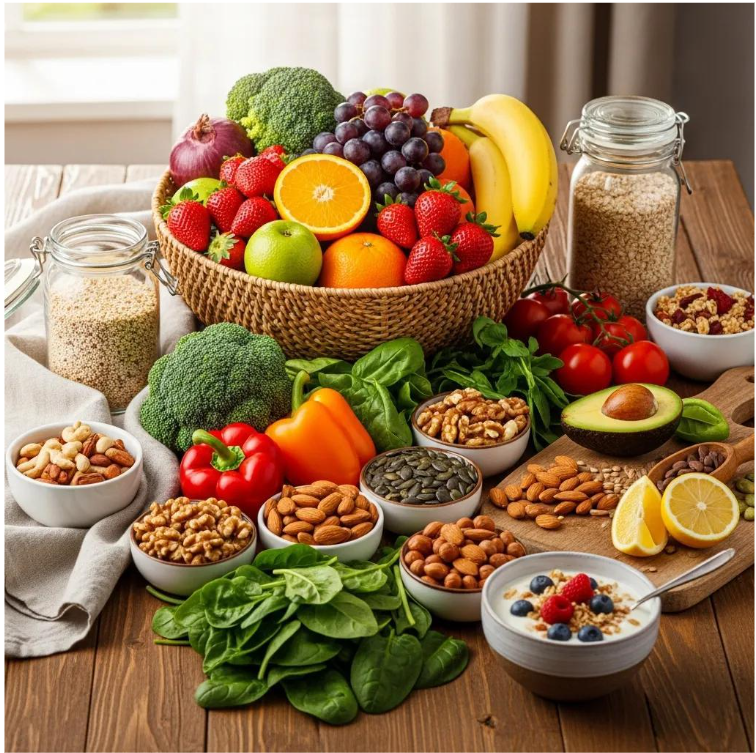
Health foods are defined as foods that provide health benefits beyond basic nutrition. They are often rich in vitamins, minerals, and antioxidants, which contribute to overall health. The following are some of the top health foods and their associated benefits:
| Health Food | Key Benefits |
|---|---|
| Blueberries | High in antioxidants, support brain health, and reduce inflammation. |
| Quinoa | Complete protein source, rich in fiber, and aids in digestion. |
| Spinach | Packed with vitamins A, C, and K, supports eye health and reduces oxidative stress. |
| Salmon | Rich in omega-3 fatty acids, promotes heart health and brain function. |
| Almonds | High in healthy fats, supports weight management, and improves cholesterol levels. |
These foods not only provide essential nutrients but also play a significant role in preventing chronic diseases and enhancing overall health.
Which Superfoods Should You Include in Your Diet?
Superfoods are nutrient-dense foods that offer exceptional health benefits. Including a variety of superfoods in your diet can enhance your nutritional intake and support overall health. Some notable superfoods include:
- Kale: A leafy green packed with vitamins K, A, and C, as well as antioxidants that help combat inflammation.
- Chia Seeds: High in omega-3 fatty acids, fiber, and protein, they support heart health and digestive function.
- Turmeric: Contains curcumin, which has anti-inflammatory properties and may improve brain function.
- Avocado: Rich in healthy fats, fiber, and potassium, it supports heart health and aids in nutrient absorption.
Incorporating these superfoods into meals can significantly boost their nutritional value and promote better health outcomes.
How Do Nutrients in Health Foods Support Well-being?
Nutrients found in health foods play a crucial role in maintaining bodily functions and promoting overall well-being. Key nutrients include:
- Vitamins: Essential for various bodily functions, including immune support and energy production.
- Minerals: Important for bone health, muscle function, and hydration.
- Antioxidants: Help protect the body from oxidative stress and reduce the risk of chronic diseases.
By consuming a diet rich in these nutrients, individuals can enhance their health, improve energy levels, and support their immune systems.
How to Create Balanced Diet Recipes for Healthy Eating
Creating balanced diet recipes involves understanding the components of a healthy meal. A balanced diet typically includes a variety of food groups, ensuring that all essential nutrients are consumed. Key components of balanced diet recipes include:
- Proteins: Essential for muscle repair and growth, sources include lean meats, legumes, and dairy.
- Carbohydrates: Provide energy, with whole grains being the healthiest option.
- Fruits and Vegetables: Rich in vitamins, minerals, and fiber, they should make up a significant portion of the diet.
- Healthy Fats: Important for brain health and hormone production, sources include avocados, nuts, and olive oil.
By combining these elements, individuals can create meals that are not only nutritious but also satisfying.
What Are Nutritious Meal Plans for Different Diet Types?
Nutritious meal plans can be tailored to various dietary preferences, including vegetarian, vegan, and gluten-free options. Here are examples of meal plans for different diet types:
- Vegetarian Meal Plan:Breakfast: Greek yogurt with mixed berries and honey.Lunch: Quinoa salad with chickpeas, cucumber, and feta cheese.Dinner: Stir-fried tofu with mixed vegetables and brown rice.
- Vegan Meal Plan:Breakfast: Smoothie with spinach, banana, and almond milk.Lunch: Lentil soup with whole-grain bread.Dinner: Black bean tacos with avocado and salsa.
- Gluten-Free Meal Plan:Breakfast: Oatmeal topped with nuts and fruit.Lunch: Grilled chicken salad with mixed greens and vinaigrette.Dinner: Zucchini noodles with marinara sauce and turkey meatballs.
These meal plans provide balanced nutrition while accommodating different dietary needs.
Which Balanced Diet Recipes Promote Optimal Health?
Balanced diet recipes can be both delicious and nutritious. Here are a few examples of recipes that promote optimal health:
- Grilled Salmon with Quinoa and Asparagus: This dish combines omega-3-rich salmon with fiber-packed quinoa and nutrient-dense asparagus for a well-rounded meal.
- Chickpea and Spinach Curry: A hearty vegetarian option that provides protein and iron, perfect for a filling dinner.
- Overnight Oats with Chia Seeds and Berries: A quick and nutritious breakfast that offers fiber and antioxidants to start the day right.
These recipes not only support health but also encourage a diverse and enjoyable diet.
What Are the Benefits of Organic Foods in a Healthy Diet?
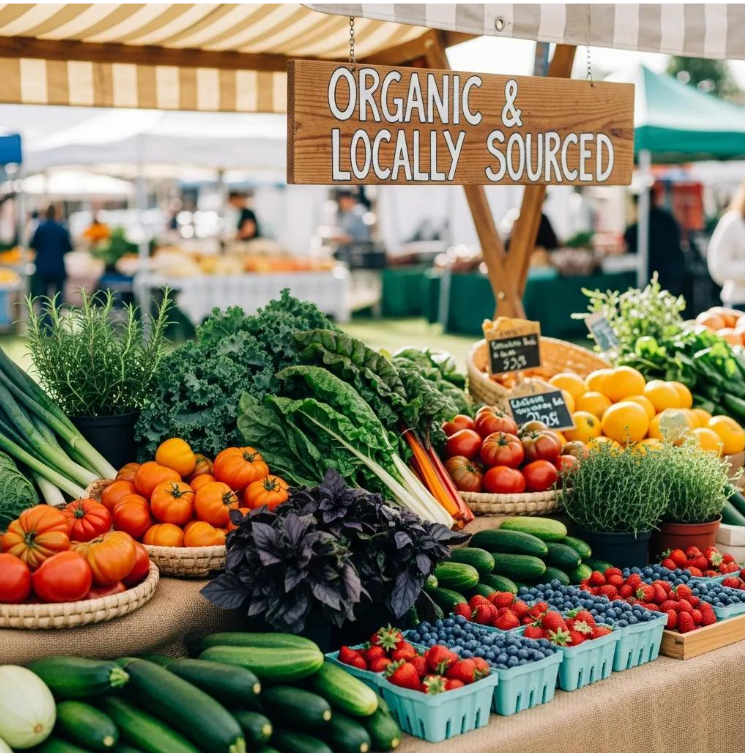
Organic foods are grown without synthetic pesticides and fertilizers, making them a popular choice for health-conscious consumers. The benefits of incorporating organic foods into a healthy diet include:
- Higher Nutrient Quality: Studies suggest that organic produce may contain higher levels of certain nutrients compared to conventionally grown counterparts, though results can vary.
- Reduced Chemical Exposure: Choosing organic can minimize exposure to harmful chemicals and pesticides.
- Environmental Sustainability: Organic farming practices are often more sustainable, promoting biodiversity and soil health.
By choosing organic foods, individuals can support their health while also contributing to environmental sustainability.
How Does Organic Food Impact Nutrient Quality and Safety?
Research indicates that organic foods may have superior nutrient profiles compared to non-organic options. For instance, organic fruits and vegetables often contain higher levels of antioxidants, which are crucial for combating oxidative stress. Additionally, organic farming practices prioritize soil health, which can lead to more nutrient-dense produce. Safety is also a concern, as organic foods are less likely to contain harmful pesticide residues, making them a safer choice for consumers.
Why Choose Organic Foods for Sustainable Health Food Sourcing?
Opting for organic foods supports sustainable agricultural practices that benefit the environment. Organic farming methods reduce pollution, conserve water, and promote biodiversity. Furthermore, purchasing organic products often supports local farmers and economies, fostering community resilience. By choosing organic, consumers can make a positive impact on their health and the planet.
How Can Healthy Eating Habits Improve Your Lifestyle?
Adopting healthy eating habits can lead to significant improvements in overall lifestyle and well-being. These habits include mindful eating, portion control, and incorporating a variety of foods into the diet. By focusing on whole, nutrient-dense foods, individuals can enhance their energy levels, improve mood, and reduce the risk of chronic diseases.
What Are Practical Tips for Developing Healthy Eating Habits?
Developing healthy eating habits can be achieved through several practical strategies:
- Plan Meals Ahead: Preparing meals in advance can help avoid unhealthy last-minute choices.
- Stay Hydrated: Drinking plenty of water is essential for overall health and can help control hunger.
- Practice Mindful Eating: Paying attention to hunger cues and savoring meals can improve satisfaction and prevent overeating.
Further research supports the significant impact of mindful eating on overall health and weight management.
Mindful Eating for Improved Health & Weight Management
Evidence suggests that mindful eating can improve eating behaviors by decreasing automatic and disordered eating which, in turn, may regulate blood glucose levels. Moreover, by eating slowly, attentively, and according to hunger and satiety cues, mindful eating may help align energy intake to energy needs, thereby improving weight and glycemic management.
Mindful eating as a tool for diabetes prevention and management: a review of potential mechanisms of action, M Mantzios, 2023
These tips can help individuals cultivate a healthier relationship with food and improve their overall well-being.
How Do Healthy Habits Affect Long-Term Health Outcomes?
Research shows that maintaining healthy eating habits can lead to better long-term health outcomes. A balanced diet is associated with a lower risk of chronic diseases such as heart disease, diabetes, and obesity. Additionally, healthy eating can improve mental health, enhance cognitive function, and increase longevity. By prioritizing nutrition, individuals can significantly impact their quality of life.
What Recent Research and Trends Shape the Future of Health Food?
The health food landscape is continually evolving, with new research and trends emerging regularly. Staying informed about these developments can help individuals make better dietary choices.
What Are the Latest Nutritional Studies on Superfoods?
Recent studies have highlighted the benefits of various superfoods, including their role in reducing inflammation and supporting gut health. Research indicates that foods like turmeric and ginger may have potent anti-inflammatory properties, while probiotics found in fermented foods can enhance digestive health. These findings underscore the importance of incorporating a variety of superfoods into the diet for optimal health.
How Is Personalized Nutrition Influencing Health Food Choices?
Personalized nutrition is gaining traction as individuals seek tailored dietary recommendations based on their unique health needs and genetic profiles. This approach allows for more effective dietary interventions, as it considers individual preferences, health conditions, and lifestyle factors. As personalized nutrition continues to evolve, it is likely to shape future health food choices and dietary guidelines.
Inflatable Wonderland in Austin, Texas: Locations and Benefits for Kids
Inflatable Wonderland proudly serves families across various cities in the Austin, Texas area, including Round Rock, Pflugerville, Cedar Park, and Lakeway. Our venue is a favorite destination for parents looking to provide their children with a fun, safe, and engaging environment.
Parents are encouraged to bring their kids to Inflatable Wonderland not only for entertainment but also to support their physical and mental growth. Playing on inflatables helps children develop gross motor skills, improve balance and coordination, and build strength. Mentally, the interactive play encourages socialization, creativity, and problem-solving abilities, fostering overall cognitive development.
We love hosting kids’ birthday parties at our venue, creating memorable celebrations filled with laughter and joy. Our team is dedicated to making each birthday party special, offering a vibrant and safe space where children can enjoy themselves to the fullest.
Stay connected with us through our social updates to learn about upcoming events, special offers, and new attractions at Inflatable Wonderland. Join our community and give your children the gift of fun and growth in a welcoming environment.
Conclusion
Embracing health food can significantly enhance your overall well-being by providing essential nutrients that support a balanced diet and prevent chronic diseases. By incorporating superfoods, creating nutritious meal plans, and adopting healthy eating habits, individuals can experience improved energy levels and better health outcomes. Understanding the value of organic foods and personalized nutrition further empowers you to make informed dietary choices. Start your journey towards a healthier lifestyle today by exploring our resources and meal planning guides.