
If you’ve ever watched a group of young children play together, you’ve probably seen it all within a few minutes. One child is thrilled after winning an arcade game. Another is disappointed because they didn’t score as many points. Someone wants another turn on the slide before anyone else. A younger child is still learning how to wait patiently. These moments are completely normal. In fact, they’re an important part of growing up. Children aren’t born knowing how to share, wait, congratulate others, or accept disappointment. These social skills develop gradually through repeated experiences, and active play provides some of the best opportunities to practice them. At Inflatable Wonderland Austin, located inside Lakeline Mall in Cedar Park, children spend their visit climbing, sliding, bouncing, exploring, and playing alongside other children. While they’re focused on having fun, they’re also learning how to interact with others in positive ways.
How Active Play Helps Children Learn to Win, Lose, and Take Turns
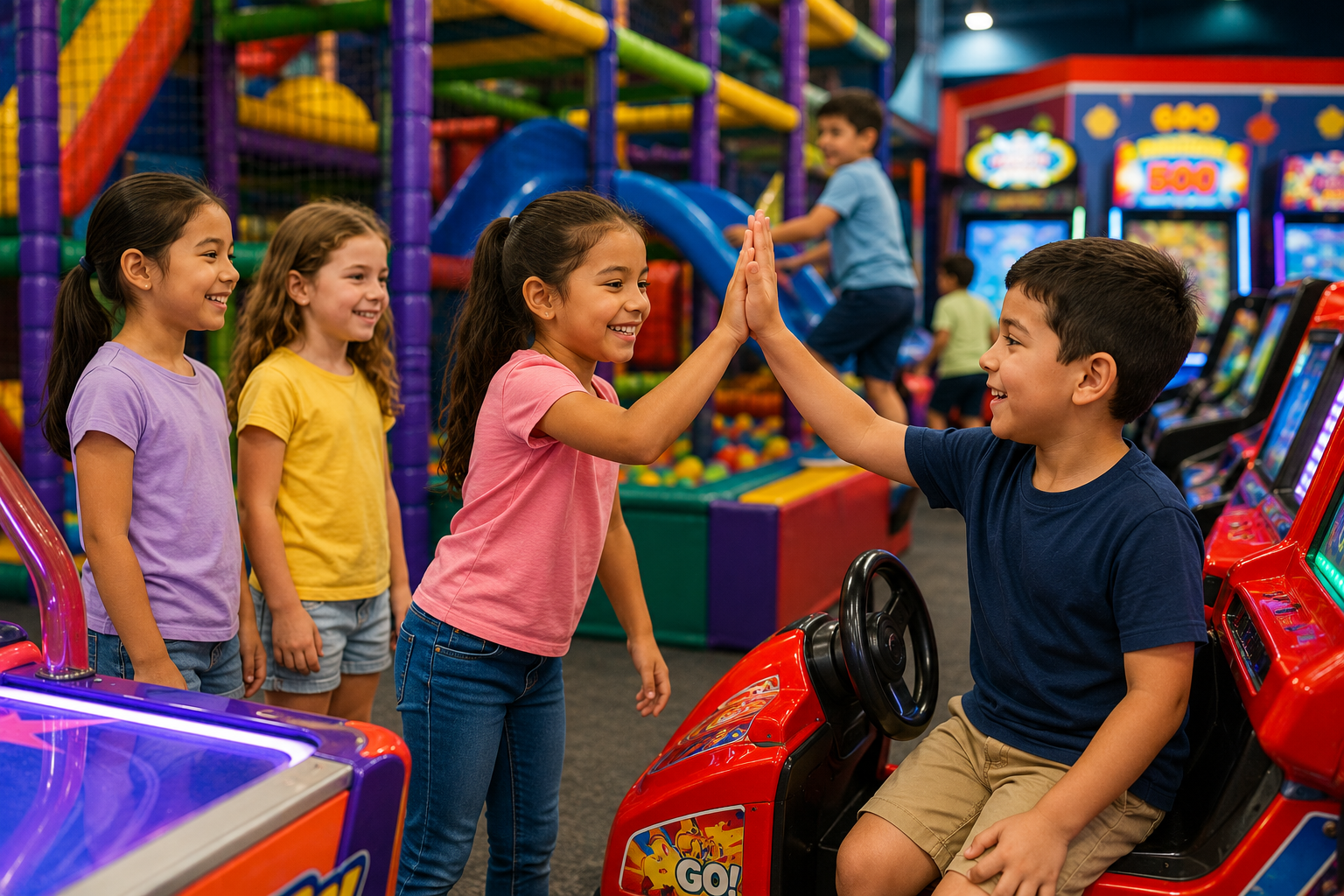
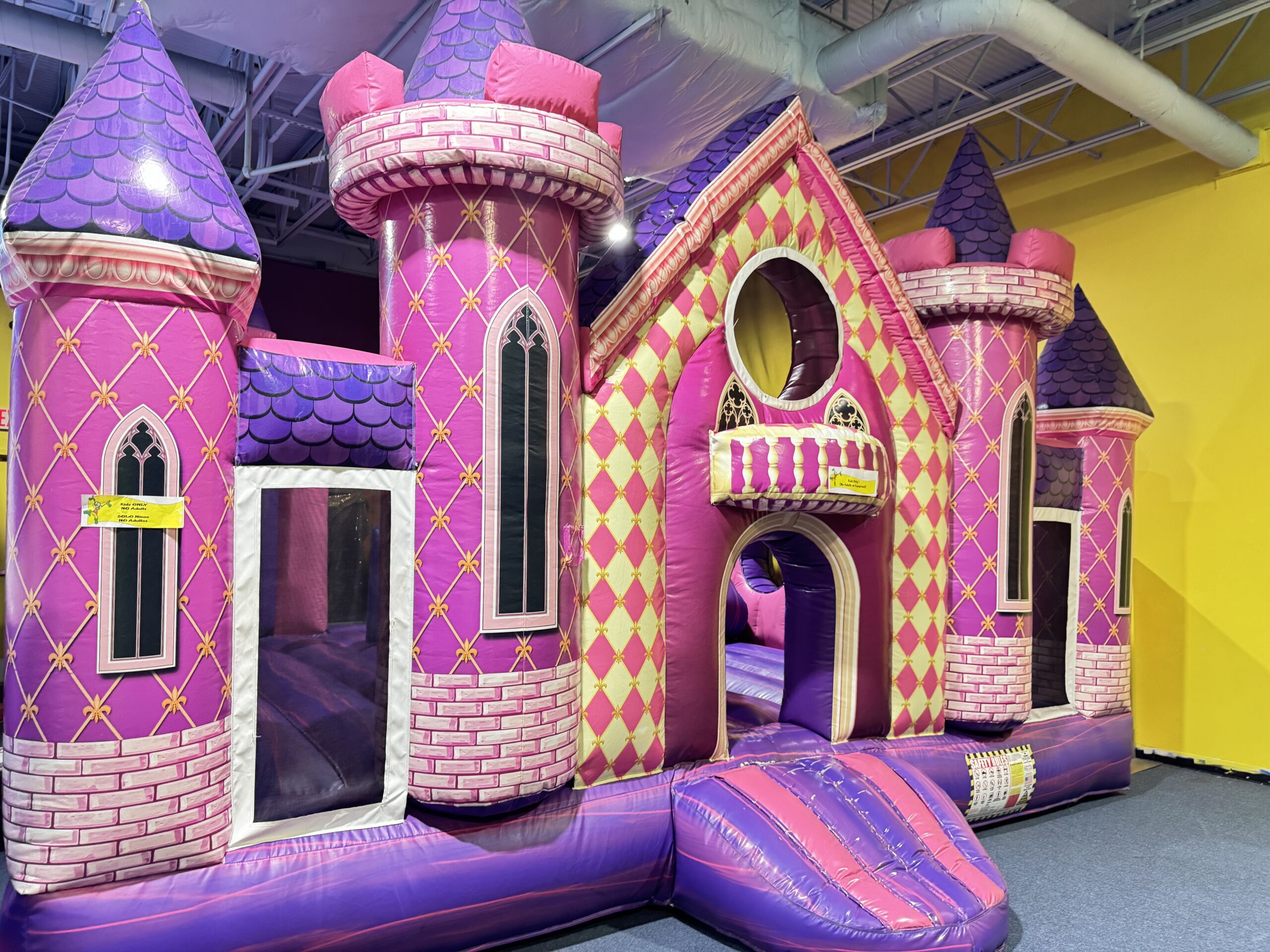
Learning That Every Game Has Different Outcomes
Young children naturally hope they’ll win every game.
Whether they’re aiming for the highest score in an arcade game or racing through an obstacle course, they want to do their best.
Sometimes they succeed.
Sometimes someone else does.
Active play introduces children to the idea that different outcomes are part of every game.
Some days they’ll collect lots of tickets.
Other days they won’t.
Some races they’ll finish first.
Other times they’ll simply enjoy participating.
Experiencing different outcomes helps children understand that play is about enjoying the activity as much as the result.
Why Waiting for a Turn Takes Practice
Waiting isn’t something children automatically know how to do.
It’s a skill that develops over time.
During active play, children regularly experience situations where another child is already using a slide, climbing through an obstacle, or playing an arcade game.
Instead of every activity being instantly available, children begin learning that everyone deserves an opportunity to participate.
Each successful turn-taking experience reinforces ideas about fairness, respect, and cooperation.
Sharing Spaces Helps Children Think About Others
Unlike activities children do alone, indoor play encourages them to move through shared spaces together.
They pass each other in tunnels.
They climb through multi-level playgrounds.
They explore inflatables filled with other children.
These shared experiences encourage children to become more aware of those around them.
They begin recognizing that everyone is trying to have fun together.
This awareness gradually strengthens important social habits like giving others space, waiting briefly, and cooperating during play.
Friendly Competition Can Be a Positive Experience
Competition doesn’t have to create pressure.
For young children, it can simply be another way to stay engaged.
Arcade games, basketball challenges, air hockey, and other activities give children opportunities to test their skills while learning that every round starts fresh.
One game doesn’t define them.
Children quickly discover they can celebrate a great score one moment and laugh together the next.
That balanced perspective often develops naturally when competition remains focused on enjoyment rather than perfection.
Real-Life Practice Is More Powerful Than Repeated Reminders
Parents often remind children to share, be patient, and play nicely.
Those reminders are helpful.
But children usually understand these ideas more deeply when they experience them themselves.
Instead of hearing, “Wait your turn,” they actually wait.
Instead of hearing, “Share with others,” they experience sharing during play.
These everyday interactions help social skills become habits rather than rules.
How Active Play Supports Positive Social Development
Every visit to Inflatable Wonderland Austin creates opportunities for children to interact with others in meaningful ways.
They may wait behind another child before taking a turn on a favorite inflatable.
They might cheer on a sibling during an obstacle challenge.
They may enjoy a friendly game of air hockey or try an arcade game alongside new friends.
These moments aren’t planned lessons.
They’re natural parts of active play that help children practice cooperation, fairness, and respect while enjoying themselves.
Why These Small Moments Matter
Childhood is filled with situations where children need to work with others.
At school they’ll take turns answering questions.
On sports teams they’ll celebrate teammates’ successes.
With friends they’ll learn to compromise during games and activities.
The social habits developed during play often carry into these everyday situations.
By practicing them early, children become more comfortable navigating group settings with confidence and consideration for others.
Conclusion
Every child will eventually face situations where they don’t win, have to wait their turn, or watch someone else succeed first. These moments are a natural part of growing up, and they help children understand that kindness, fairness, and respect are just as important as the final score.
Active play creates these experiences in a way that feels fun rather than instructional. Whether children are waiting for the next turn on a giant inflatable, enjoying a friendly game in the arcade, sharing space on the three-story playground, or celebrating a sibling’s success, they are learning valuable social skills through real-life interactions.
At Inflatable Wonderland Austin, children come to jump, climb, slide, explore, and laugh together. Along the way, they also discover how to play fairly, include others, and enjoy shared experiences. These everyday moments may seem small, but they help shape children into thoughtful classmates, supportive teammates, and caring friends—skills that will continue to benefit them long after the day of play is over.
Frequently Asked Questions
At what age do children begin learning to take turns?
Children begin practicing turn-taking during the toddler years, but it continues developing throughout early childhood. Regular opportunities to play with other children help strengthen this skill.
Why is losing an important experience for children?
Losing helps children understand that not every activity has the same outcome. Over time, they learn to handle disappointment, appreciate effort, and continue enjoying games regardless of the result.
How does active play improve social skills?
Active play encourages children to communicate, cooperate, share spaces, respect others, and participate in group activities. These experiences naturally support healthy social development.
Do arcade games help children learn social skills?
Yes. Arcade games provide opportunities to take turns, celebrate others’ successes, practice patience, and enjoy friendly competition in an age-appropriate setting.
Where can families enjoy active indoor play in Cedar Park?
Inflatable Wonderland Austin, located inside Lakeline Mall, features giant inflatables, a three-story playground, ball pits, arcade games, air hockey, and other family-friendly attractions where children can stay active while interacting with peers in a fun indoor environment.
Key Takeaways
- Winning and losing are natural parts of play, helping children understand that enjoying the experience is just as important as the outcome.
- Taking turns is a learned skill that develops through regular opportunities to play with others.
- Active play encourages children to practice patience, fairness, cooperation, and respect in real-life situations.
- Friendly games and shared play spaces help children build positive social habits that carry into school, sports, and everyday friendships.
- Indoor play provides a safe, engaging environment where children can interact with peers, solve small social challenges, and learn through experience.
- At Inflatable Wonderland Austin, giant inflatables, the three-story playground, arcade games, and other shared attractions naturally encourage children to play together, wait their turn, and celebrate each other’s successes.
- Every visit offers more than active fun—it helps children develop social skills that support healthy relationships and positive interactions as they grow.