
Finding engaging indoor activities for children can be a challenge, especially when the weather keeps them indoors. Parents often seek fun and educational options that not only entertain but also promote development. This article explores a variety of indoor activities that kids love, focusing on creative arts and crafts, sensory play, motor skills development, educational games, quiet time activities, and strategies for keeping children entertained indoors. By incorporating these activities, parents can create a stimulating environment that fosters creativity, learning, and social interaction. By incorporating these activities, parents can create a stimulating environment that fosters creativity, learning, and social interaction.
Indoor Activities Kids Love Most: Engaging and Educational Ideas for Parents
Key Takeaways
Creative arts and crafts enhance children’s fine motor skills, creativity, and cognitive development through hands-on activities.
Sensory play supports emotional regulation, cognitive growth, and social skills by engaging children’s senses in exploration.
Motor skills development activities like obstacle courses and dance improve coordination, balance, and physical confidence.
Educational games promote critical thinking, problem-solving, and social interaction while making learning enjoyable.
Quiet time activities such as reading, puzzles, and drawing foster concentration, language skills, and creativity.
Indoor entertainment strategies include imaginative play, group activities, and interactive learning to keep children engaged.
Parents can create stimulating indoor environments by rotating activities and encouraging social and cognitive development.
Inflatable Wonderland offers a safe, climate-controlled indoor play area with diverse activities for children aged 2-10.
Creative Arts and Crafts
Creative arts and crafts are essential for children’s development, encouraging creativity and fine motor skills. These activities promote cognitive growth through decision-making and foster social connections through collaborative projects. Engaging in arts and crafts allows children to express themselves while developing critical thinking skills.
Research consistently highlights the significant role of arts and crafts in developing crucial early childhood skills.
Arts & Crafts Boost Fine Motor Skills in Early Childhood
Precision and good coordination are needed to move small muscles with fine motor abilities. Fine motor abilities are used in actions including cutting, tearing, folding, pasting, and putting together small things. Finger muscles, or fine motor abilities, are needed for this task. Early skill development is necessary to prepare children for their eventual entry into the world of formal education. Through arts and crafts, children’s fine motor skills can be improved.
Art and craft activities for early children to improve fine motor ability, M Mawardah, 2023
For parents looking to enhance their children’s creative experiences, Inflatable Wonderland Austin offers a variety of fun and engaging environments that inspire creativity and active play. Learn more here: https://inflatablewonderland.com/austin/
What Are the Best Creative Arts and Crafts Activities for Kids Indoors?
Some of the best creative arts and crafts activities for kids include:
Painting: Using watercolors or finger paints allows children to explore colors and textures.
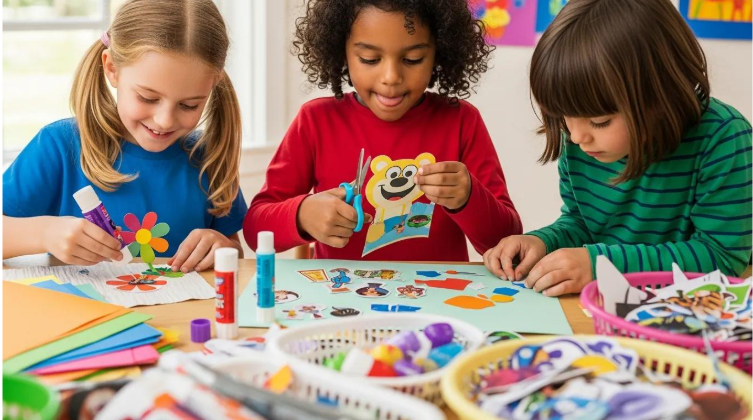
Collage Making: Children can cut out pictures from magazines and create their own unique collages.
DIY Crafts: Simple projects like making friendship bracelets or decorating picture frames can be both fun and rewarding.
These activities not only keep children entertained but also help them develop essential skills.
Sensory Play
Sensory play is crucial for children’s development, as it supports cognitive and emotional skills. Engaging in sensory activities enhances sensory processing capabilities and provides calming effects through exploration. Children learn about the world around them by using their senses, which is vital for their overall growth.
Studies further confirm the positive impact of sensory engagement on a child’s emotional well-being.
Sensory Play Improves Emotional Regulation in Young Children
The results of the study showed that based on the pretest and posttest data, as well as the statistical tests that had been carried out, it can be concluded that after the treatment in the form of sensory play classes was given to the experimental group for eight meetings, there was a significant increase in emotional regulation scores.
The Effect of Sensory Play Classes on Emotional Regulation in Children Aged 4 to 5
Years, N Kurniawan, 2025
At Inflatable Wonderland Austin, children can enjoy interactive play experiences that stimulate movement, coordination, and sensory engagement in a safe indoor environment. Plan your visit: https://inflatablewonderland.com/austin/
Benefits of Sensory Play
The benefits of sensory play include:
Cognitive Development: Engaging with different textures and materials helps children learn about their environment.
Emotional Regulation: Sensory activities can be calming and help children manage their emotions.
Social Skills: Playing with others during sensory activities encourages teamwork and communication.
These benefits highlight the importance of incorporating sensory play into children’s daily routines.
Motor Skills Development
Motor skills development is essential for children’s physical growth and coordination. Activities that enhance gross motor skills promote physical development through active play, encouraging coordination and balance. Integrating motor skills activities into playtime can be both fun and beneficial for children.
Parents can create obstacle courses at home using everyday items, allowing children to practice their motor skills in a playful environment. This not only keeps them active but also helps them develop confidence in their physical abilities.
At Inflatable Wonderland Austin, kids can enjoy inflatables and play structures specifically designed to enhance motor skills through active movement.
Activities to Enhance Motor Skills
Some effective activities for enhancing motor skills include:
Obstacle Courses: Set up a course using cushions, chairs, and other household items for children to navigate.
Ball Games: Playing catch or kicking a ball helps improve hand-eye coordination.
Dance Parties: Dancing to music encourages movement and rhythm, enhancing overall motor skills.
These activities provide children with opportunities to develop their physical abilities while having fun.
Educational Games
Educational games are a fantastic way to promote learning and social interaction among children. These games enhance critical thinking and problem-solving skills while encouraging teamwork and communication. Parents can choose from a variety of educational games that cater to different age groups and learning styles.
Indeed, research underscores the multifaceted benefits of incorporating board games into children’s learning experiences.
Board Games Enhance Learning, Interaction & Motivation
The present findings showed that, as a tool, board games can be expected to improve the understanding of knowledge, enhance interpersonal interactions among participants, and increase the motivation of participants.
The effectiveness of intervention with board games: a systematic review, K Shirotsuki, 2019
Families can combine at-home learning with fun outings to Inflatable Wonderland Austin, where kids engage in social, interactive play. Learn more: https://inflatablewonderland.com/austin/
Types of Educational Games for Children
Some popular types of educational games include:
Board Games: Games like Scrabble or Monopoly teach strategy and vocabulary.
Puzzle Games: Jigsaw puzzles enhance problem-solving skills and spatial awareness.
Interactive Learning Apps: Many apps offer educational content in a fun, engaging format.
Incorporating these games into playtime can make learning enjoyable for children.
Quiet Time Activities
Quiet time activities are essential for fostering calm and focused play. These activities support language skills through reading, encourage concentration with puzzles, and foster creativity with drawing. Providing children with opportunities for quiet play can help them recharge and develop essential skills.
Parents can create a cozy reading nook or set up a quiet corner with art supplies to encourage children to engage in these activities independently.
Ideas for Quiet Time Activities
Here are some ideas for quiet time activities:
Reading: Encourage children to explore books that interest them, fostering a love for reading.
Puzzles: Provide age-appropriate puzzles that challenge children while keeping them engaged.
Drawing and Coloring: Set up a space with coloring books and art supplies for creative expression.
These activities not only promote relaxation but also support children’s cognitive and emotional development.
Keeping Children Entertained Indoors
Keeping children entertained indoors can be a challenge, but with the right strategies, it can be a rewarding experience. Encouraging imaginative play, promoting social interaction through group activities, and suggesting interactive games for cognitive skills can help parents create a stimulating indoor environment.
Parents can rotate activities to keep things fresh and exciting, ensuring that children remain engaged and entertained throughout the day.
For an easy and exciting indoor option, parents can visit Inflatable Wonderland Austin: https://inflatablewonderland.com/austin/
Strategies for Indoor Entertainment
To keep children entertained indoors, consider these strategies:
Imaginative Play: Encourage children to create their own stories and scenarios using toys or costumes.
Group Activities: Organize playdates or family game nights to promote social interaction.
Interactive Learning: Use educational apps or online resources to provide engaging learning experiences.
By implementing these strategies, parents can create a fun and enriching indoor environment for their children.
Inflatable Wonderland: The Best Indoor Play Area for Kids Ages 2-11
For parents looking for the ultimate indoor play destination during the summer, Inflatable Wonderland is the perfect spot for kids aged 2-11. Located inside the Lakeline Mall in Cedar Park, Texas, this indoor play area offers a stress-free, fun environment where children can enjoy a variety of exciting activities.
Inflatable Wonderland features a wide range of inflatables, a thrilling three-story playground, and engaging arcades, providing endless entertainment options for children. It is an ideal place to visit during the summer months, offering a safe and climate-controlled space for kids to play, explore, and socialize.
Visiting Inflatable Wonderland ensures a memorable experience filled with laughter and active play, making it one of the best things to do with kids in the summer. Parents can relax knowing their children are having fun in a secure and well-maintained environment.
👉 Plan your visit: https://inflatablewonderland.com/austin/
Frequently Asked Questions
What age group is best suited for indoor activities mentioned in the article?
The indoor activities discussed in the article are primarily designed for children aged 2 to 11 years. This age range encompasses various developmental stages, allowing for a wide variety of engaging and educational activities. Parents can adapt the complexity of the tasks based on their child’s age and skill level, ensuring that each child can participate and benefit from the activities, whether they are focused on fine motor skills, cognitive development, or social interaction.
How can parents create a stimulating indoor environment for their children?
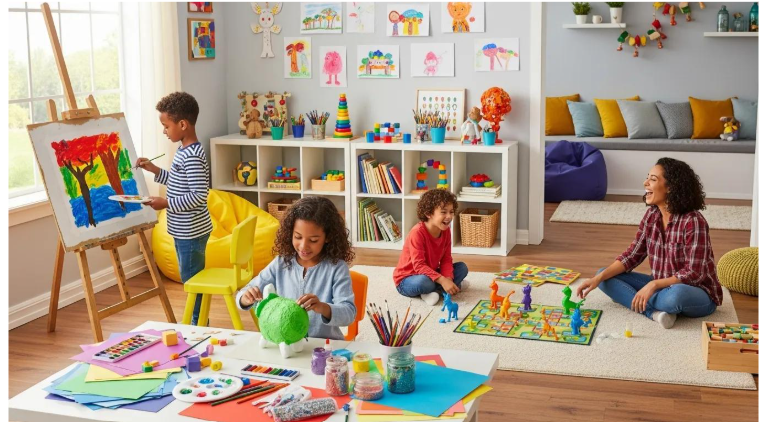
To create a stimulating indoor environment, parents can rotate activities regularly to maintain interest and engagement. Incorporating a mix of creative arts, sensory play, and educational games can cater to different interests and developmental needs. Setting up designated areas for specific activities, such as a reading nook or a craft corner, can also help children focus and explore their creativity. Additionally, involving children in the setup process can enhance their excitement and ownership of the space.
Are there any safety tips for indoor play activities?
Yes, safety is paramount when engaging children in indoor play activities. Parents should ensure that all materials used for crafts and sensory play are non-toxic and age-appropriate. It’s also important to supervise children during activities, especially those involving small parts or physical movement, to prevent accidents. Creating a safe play area by removing sharp objects and ensuring that play equipment is stable can further enhance safety during indoor activities.
What are some benefits of group activities for children indoors?
Group activities provide numerous benefits for children, including enhanced social skills, teamwork, and communication. Engaging in group play encourages children to share, negotiate, and collaborate, which are essential skills for their social development. Additionally, group activities can foster a sense of belonging and community among peers, helping children build friendships. These interactions also promote emotional intelligence as children learn to navigate different personalities and resolve conflicts in a supportive environment.
How can parents encourage independent play during quiet time activities?
To encourage independent play during quiet time, parents can provide a variety of engaging materials and resources that children can explore on their own. Setting up a cozy and inviting space with books, puzzles, and art supplies can inspire children to engage in self-directed activities. Additionally, parents can establish a routine that includes designated quiet time, helping children understand the importance of independent play. Gradually increasing the duration of quiet time can also help children become more comfortable with self-entertainment.
What types of educational games are most effective for learning at home?
Effective educational games for learning at home include board games, puzzles, and interactive learning apps. Board games like Scrabble and Monopoly promote strategic thinking and vocabulary development, while puzzles enhance problem-solving skills and spatial awareness. Interactive learning apps can provide engaging content tailored to a child’s learning style, making education fun and accessible. Incorporating a variety of these games into playtime can help reinforce academic concepts while keeping children entertained and motivated to learn.
Conclusion
Engaging children in indoor activities not only entertains but also fosters essential skills such as creativity, cognitive development, and social interaction. By incorporating creative arts, sensory play, and educational games, parents can create a stimulating environment that supports their children’s growth.
Explore more and plan your visit here: https://inflatablewonderland.com/austin/