
Selecting the optimal play environment for children is a critical decision that profoundly impacts their development and overall well-being. Parents and caregivers must rigorously evaluate the comparative advantages of indoor play equipment versus outdoor alternatives. This comprehensive analysis examines the fundamental aspects of both play modalities, emphasizing stringent safety protocols, developmental efficacy, and economic considerations. A thorough understanding of these elements empowers parents to make evidence-based decisions tailored to their children's unique needs and preferences. This article systematically explores the definitive benefits of indoor play equipment, its role in fostering child development, and the complementary advantages of outdoor play. Furthermore, it provides strategic guidance on integrating both play types to maximize developmental outcomes. Key Takeaways Indoor play equipment delivers a meticulously controlled and secure environment, featuring padded surfaces and designs calibrated to specific age groups. Outdoor play facilitates comprehensive physical fitness, social competence, and emotional resilience through experiential learning and collaborative activities. Both indoor and outdoor play environments contribute distinct and essential elements to holistic child development, enhancing motor, cognitive, and social faculties. Cost structures differ significantly, with indoor play centers typically imposing admission fees, whereas outdoor options are predominantly free or incur minimal expenses. Spatial constraints critically influence play environment selection; indoor equipment optimizes limited spaces, while outdoor play necessitates expansive areas. Rigorous supervision and systematic maintenance are indispensable safety imperatives across both indoor and outdoor play settings. Deploying age-appropriate play equipment is paramount to maximizing developmental benefits throughout various childhood stages. A deliberate balance of indoor and outdoor play experiences is essential to support comprehensive child growth and well-being.
Indoor Play Equipment Versus Outdoor Alternatives: What to Know

Safety Considerations
Ensuring the highest standards of safety is an unequivocal priority for parents when determining suitable play environments. Indoor play equipment is engineered with advanced safety features, including impact-absorbing surfaces, reinforced padding, and controlled access, substantially mitigating injury risks. Conversely, outdoor play environments inherently present variable hazards such as uneven terrain, inclement weather, and unpredictable accidents. Vigilant supervision remains a non-negotiable requirement in both contexts to safeguard children effectively. Familiarity with the rigorous safety protocols implemented at premier indoor play facilities like Inflatable Wonderland in Austin can provide parents with critical assurance regarding their children’s safety.
Developmental Benefits
Empirical evidence underscores the significant contributions of both indoor and outdoor play to child development. Indoor play equipment is instrumental in promoting vigorous physical activity, thereby enhancing fine and gross motor skills, balance, and coordination. It also stimulates cognitive development through interactive and problem-solving play structures that foster creativity and critical thinking. Outdoor play uniquely enables children to engage with their natural surroundings, which is vital for cognitive maturation and the cultivation of social competencies. Participation in group-based outdoor activities further reinforces teamwork, communication, and conflict resolution skills. Recognizing these multifaceted developmental benefits is essential for parents aiming to optimize their children’s growth trajectories.
Extensive research corroborates the pivotal role of well-designed play facilities, both indoor and outdoor, in facilitating comprehensive child development.
Holistic Development Through Indoor & Outdoor Play Facilities
This research rigorously analyzes the optimization of existing play facilities at KB/TK Kartika V-12 in supporting the learning process and holistic development of early childhood. Employing a descriptive qualitative methodology with data derived from in-depth interviews and systematic observation, the study conclusively demonstrates that the facilities at KB/TK Kartika V-12 are meticulously organized and sufficiently equipped. These encompass indoor areas such as reading corners and technological resources, alongside diverse outdoor installations including seesaws, swings, climbing ropes, and slides. The findings affirm that these facilities serve as critical stimulative media, effectively underpinning children’s motor, socio-emotional, and cognitive development through dynamic and structured play activities.
Optimization of Play Facilities (Indoor and Outdoor) as a Media for Holistic Development Stimulation in Early Childhood at KB/TK Kartika V-12, 2025
Cost Comparisons
Cost analysis is a decisive factor in selecting play options. Indoor play centers generally impose admission fees that vary according to geographic location and facility amenities. These centers justify their costs by providing a secure, engaging, and professionally managed environment. In contrast, outdoor play alternatives such as public parks and playgrounds are predominantly free or incur nominal expenses, enhancing accessibility for a broad demographic. Investment in private outdoor equipment, including swing sets and slides, entails upfront capital but may yield sustained developmental benefits. A comprehensive cost-benefit evaluation enables parents to make financially prudent and developmentally sound choices.
Space Requirements
Spatial availability is a critical determinant in the selection between indoor and outdoor play environments. Indoor play equipment is strategically designed to maximize utility within confined spaces, making it particularly advantageous for urban households with limited outdoor access. Conversely, outdoor play necessitates ample, safe areas to accommodate active and unrestricted movement, which may not be feasible in all residential contexts. Parents must rigorously assess their living conditions and the accessibility of suitable play spaces to inform their decisions effectively.
What Are the Key Benefits of Indoor Play Equipment for Children?
Indoor play equipment confers multiple, well-documented advantages aligned with children’s developmental imperatives. These include:
- Physical Development: Indoor play structures systematically encourage vigorous physical activity, fostering strength, balance, and coordination.
- Social Interaction: Indoor play centers facilitate structured opportunities for peer interaction, thereby enhancing social skills and fostering meaningful friendships.
- Safety Features: These environments are meticulously designed with comprehensive safety measures to minimize injury risks during play.
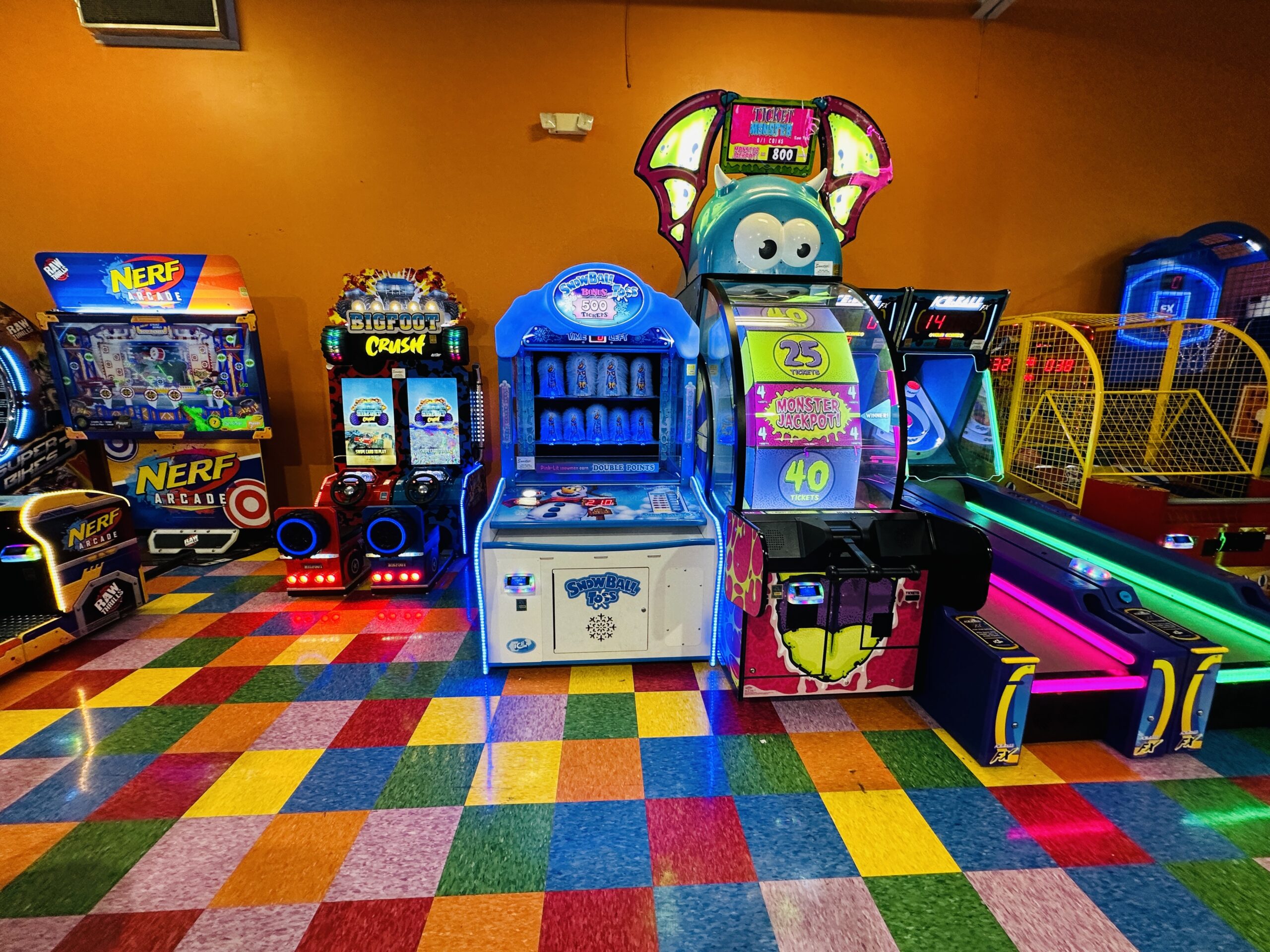
- Diverse Play Options: Facilities such as Inflatable Wonderland in Austin offer an extensive array of engaging activities, including ball pits, inflatable structures, slides, and arcade games, which collectively sustain children’s interest and promote active engagement.
Inflatable Wonderland in Austin stands as a leading indoor play center, distinguished by its commitment to providing a secure, stimulating, and enjoyable environment. Its expansive ball pits, diverse inflatable installations, exhilarating slides, and interactive arcade games collectively deliver a superior play experience that advances physical activity, social interaction, and imaginative exploration.
How Does Indoor Play Support Child Development and Safety?
Indoor play environments are meticulously crafted to support child development within a controlled and secure setting. Safety measures such as padded flooring, supervised play zones, and age-appropriate equipment significantly reduce the incidence of accidents. Concurrently, indoor play fosters physical and cognitive growth through interactive apparatuses that stimulate exploration, creativity, and problem-solving. This dual emphasis on safety and developmental enrichment positions indoor play as a highly effective option for parents prioritizing their children’s well-being.
Which Indoor Play Equipment Types Are Best for Different Age Groups?
Strategic selection of indoor play equipment tailored to specific age groups is essential to optimize developmental outcomes. Recommended options include:
- Toddlers (0-3 years): Soft play zones featuring climbing structures and ball pits are ideal, promoting gross motor skill development within a secure environment.
- Preschoolers (3-5 years): Interactive and themed play structures, such as climbing frames and slides, encourage imaginative play and cognitive engagement.
- Older Children (6-12 years): Complex installations including obstacle courses, climbing walls, and arcade games provide physical challenges and cognitive stimulation appropriate for this age group.
How Do Outdoor Play Alternatives Contribute to Children’s Growth?
Outdoor play alternatives are indispensable for fostering children’s holistic growth by offering rich opportunities for exploration and vigorous physical activity. Interaction with natural environments cultivates curiosity and environmental awareness, which are foundational to cognitive development. Outdoor activities such as running, jumping, and climbing enhance physical fitness and motor skills. Collectively, these experiences contribute substantially to children’s health, emotional well-being, and social competence, underscoring the critical role of outdoor play in a balanced developmental regimen.
What Social and Physical Benefits Does Outdoor Play Offer?
Outdoor play delivers a spectrum of validated social and physical benefits, including:
- Physical Fitness: Active engagement in outdoor play enhances muscular strength, cardiovascular endurance, and coordination.
- Social Skills: Collaborative outdoor activities cultivate essential interpersonal skills such as teamwork, effective communication, and conflict resolution.
- Emotional Growth: Outdoor play environments provide children with opportunities to express emotions, develop resilience, and manage stress through dynamic physical activity.
These benefits collectively affirm the necessity of integrating outdoor play into children’s daily routines for optimal development.
Which Outdoor Activities Complement Indoor Play for Balanced Development?
To achieve a comprehensive and balanced play experience, parents should incorporate outdoor activities that synergize with indoor play. Recommended activities include:
- Nature Walks: Guided exploration of parks and nature trails promotes physical activity and environmental literacy.
- Team Sports: Participation in organized sports fosters social cohesion, strategic thinking, and physical fitness.
- Creative Play: Sensory-rich activities such as sandbox and water play enhance creativity and fine motor skills.
Integrating these outdoor pursuits alongside indoor play ensures a diversified developmental experience that holistically supports children’s growth.
What Safety Considerations Should Parents Know for Indoor and Outdoor Play Areas?
Maintaining rigorous safety standards is imperative across all play environments. Parents must prioritize the following considerations:
- Supervision: Continuous and attentive supervision is essential to prevent accidents and ensure immediate response to any incidents.
- Emergency Preparedness: Parents should be well-versed in emergency protocols and first aid to effectively manage potential injuries.
- Location Maintenance: Selecting play areas that undergo regular safety inspections and maintenance minimizes exposure to hazards associated with deteriorated equipment or unsafe conditions.
Adherence to these safety principles is fundamental to establishing a secure and supportive play environment.
How Are Safety Standards Maintained in Indoor Play Equipment?
Indoor play equipment is governed by stringent safety regulations designed to protect children’s health and well-being. Facilities implement routine maintenance schedules to promptly identify and rectify hazards. Equipment is rigorously evaluated to ensure age-appropriateness and compliance with safety certifications. Comprehensive safety protocols, including staff training and emergency response plans, are standard practice. These measures collectively uphold a consistently safe environment conducive to active and worry-free play.
What Precautions Are Important for Outdoor Play Environments?
Ensuring safety in outdoor play settings requires deliberate precautions, including:
- Supervision is Crucial: Active monitoring of children during outdoor activities is vital to prevent injuries and respond swiftly to emergencies.
- Emergency Preparedness: Availability of first aid supplies and knowledge of basic first aid procedures are essential for managing outdoor incidents.
- Choosing Well-Maintained Locations: Prioritizing parks and playgrounds with regular maintenance and safety audits reduces the risk of accidents related to faulty equipment or unsafe terrain.
Implementing these precautions significantly enhances the safety profile of outdoor play experiences.
How Can Parents Choose the Right Play Options for Their Children?
Informed selection of play options necessitates a comprehensive evaluation of multiple factors:
- Safety Protocols: Confirm that both indoor and outdoor play environments adhere to the highest safety standards and certifications.
- Age-Appropriate Choices: Ensure that equipment and activities are developmentally suitable, aligning with the child’s age and abilities.
- Variety of Equipment: Opt for play options that offer a broad spectrum of experiences to stimulate diverse developmental domains and sustain engagement.
By systematically assessing these criteria, parents can make judicious decisions that optimize their children’s play experiences and developmental outcomes.
What Factors Influence the Decision Between Indoor and Outdoor Play?
Several critical factors shape the decision-making process regarding indoor versus outdoor play:
- Safety Protocols: The robustness of safety measures in each environment significantly influences parental preferences.
- Age-Appropriate Zones: Availability and accessibility of designated play areas tailored to specific age groups guide optimal selection.
- Convenience and Amenities: Proximity to play facilities and the presence of supportive amenities impact the practicality and appeal of each option.
A nuanced understanding of these determinants enables parents to navigate their choices with confidence and precision.
How to Balance Indoor and Outdoor Play for Optimal Child Development?
Achieving an optimal balance between indoor and outdoor play is imperative for fostering well-rounded child development. Parents are encouraged to:
- Recognize the Complementary Benefits of Both Play Types: Acknowledge the distinct developmental contributions of indoor and outdoor play to inform balanced programming.
- Encourage Diverse Play Experiences: Facilitate regular opportunities for children to engage in both controlled indoor activities and exploratory outdoor play.
- Monitor Children’s Preferences and Responses: Attentively observe and adapt to children’s interests and developmental needs to maintain an effective and enjoyable play regimen.
By intentionally integrating indoor and outdoor play, parents can robustly support their children’s physical, cognitive, social, and emotional growth.
Conclusion
The decision between indoor play equipment and outdoor alternatives is a pivotal factor in promoting children’s comprehensive development and well-being. Each modality offers distinct, evidence-based benefits ranging from enhanced safety and controlled environments to enriched physical fitness and social skill acquisition. A sophisticated understanding of these advantages enables parents to make strategic, informed choices that align with their children’s developmental requirements. We encourage parents to explore available resources and thoughtfully balance indoor and outdoor play to cultivate an optimal environment for their child’s growth and success.