
Superheroes, Princesses and Fairies: How Imaginative Characters Shape Childhood
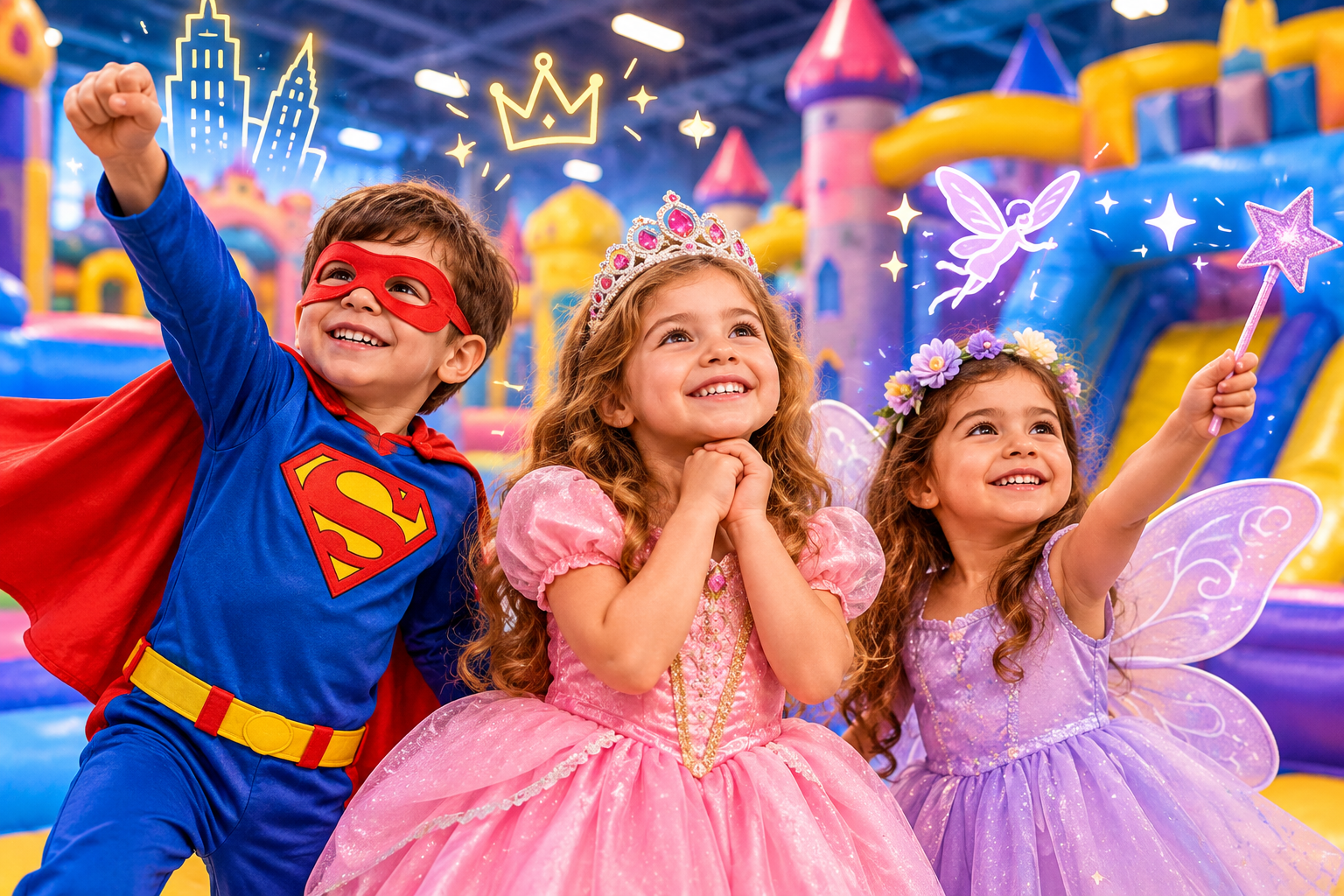
Superheroes, princesses, and fairies have remained part of childhood for generations, even as the characters, stories, and entertainment surrounding them continue to evolve. Their lasting appeal goes beyond colorful costumes, magical powers, castles, and adventures. These characters introduce children to ideas such as courage, leadership, kindness, creativity, responsibility, and possibility in ways that are easy to understand through imagination.
This connection also helps explain why superhero, princess, and fairy birthday themes remain popular with families. A birthday theme can reflect more than a child’s favorite character at a particular moment. It can provide a setting in which children imagine themselves as courageous heroes, confident leaders, creative storytellers, or explorers entering worlds where ordinary limitations disappear.
Why Imaginary Characters Matter During Childhood
Pretend play gives children an opportunity to explore situations that are very different from everyday life. A cape can represent extraordinary strength, a crown can introduce an imaginary kingdom, and a pair of fairy wings can transform an ordinary room into a completely different world.
The importance is not necessarily the object itself, but what children do with it. Through imaginative play, children create characters, establish rules, assign roles, solve fictional problems, and adapt stories as other children participate. In the process, they are doing more than recreating something they have seen on a screen or in a book; they are learning to develop their own version of the story.
Superheroes, princesses, and fairies are particularly effective starting points because children immediately understand the possibilities associated with them. Each character type provides a familiar framework while leaving considerable room for imagination.
Superheroes and the Exploration of Courage
Superheroes are commonly associated with strength and extraordinary powers, but the qualities that make their stories meaningful often extend beyond physical ability. Heroes encounter challenges, make decisions, help others, work with teams, recover from setbacks, and continue when a problem becomes difficult.
For young children, those concepts can translate naturally into pretend play. A child may create a rescue mission, protect an imaginary city, overcome an obstacle, or organize friends into a team with different responsibilities. Although the scenario is fictional, the underlying ideas of cooperation, persistence, and problem-solving are recognizable in everyday childhood.
Superhero play can also give children an opportunity to imagine themselves as capable. Childhood naturally involves depending on adults for many decisions and activities. Assuming the role of a hero temporarily changes that dynamic by allowing the child to become the person making decisions, solving the problem, or helping someone else.
Princesses and the Development of Confidence
Princess stories have expanded considerably from traditional images centered primarily on castles, gowns, and royal celebrations. Contemporary princess characters frequently represent independence, curiosity, leadership, exploration, family responsibility, and the willingness to pursue difficult goals.
Children may therefore connect with princess characters for very different reasons. Some enjoy the fashion and visual elements, while others are attracted to music, animals, adventures, friendships, castles, or the idea of being responsible for an imaginary kingdom. The same crown can represent beauty to one child and leadership to another.
This flexibility gives parents an opportunity to look beyond the appearance of the character and consider the story the child is creating. When children organize an imaginary kingdom, welcome guests, assign roles, make decisions, or lead an adventure, princess play can become an exercise in communication, confidence, and creative storytelling.
Fairies and the Freedom to Create
Fairy stories offer another form of imaginative exploration because their worlds are usually less structured by everyday rules. Fairies may fly, communicate with animals, live inside flowers, discover hidden places, create magic, or possess abilities invented entirely by the child.
That open-ended structure can make fairy play particularly creative. Rather than following one established storyline, children can build their own worlds and continuously change them as the game develops. A garden can become an enchanted forest, an ordinary object can become a magical treasure, and each participant can invent a different ability or identity.
The value of this type of play lies in the freedom to create. Children are not simply following a predetermined story; they are developing characters, environments, problems, and solutions of their own.
Why Children Want to Become Their Favorite Characters
There is an important difference between admiring a fictional character and temporarily taking on that character’s role. When children put on a cape, crown, mask, or fairy wings, they move from observing the imaginary world to participating in it.
This shift can make qualities associated with the character feel more immediate. Courage becomes something the child can demonstrate during a pretend mission. Leadership becomes part of directing an imaginary adventure. Creativity becomes necessary when a group of children decides what happens next in the story.
Children do not need to believe that they actually possess magical powers for this experience to have meaning. The value comes from experimenting with different identities and possibilities within the safety of play.
Why These Characters Translate Naturally Into Birthday Themes
A child’s birthday is one of the few occasions during the year specifically centered on that child’s interests and personality. Choosing a theme based on a favorite imaginary world can therefore make the celebration feel more personal without requiring every element of the event to follow an elaborate storyline.
A superhero theme might reflect a child’s interest in action and adventure, while a princess theme may connect with storytelling, music, fashion, leadership, or fantasy. A fairy theme can appeal to a child fascinated by magic, nature, creativity, or discovery. Understanding the reason behind the preference can be more meaningful than simply selecting the most popular character of the moment.
Themes also give children an immediate starting point for imagination when friends arrive. The birthday environment introduces the idea, while children determine how far the story develops.
Simple Themes Can Leave More Room for Imagination
An effective character-themed birthday does not necessarily require elaborate decorations or highly structured entertainment. In many cases, a few recognizable elements can establish the theme while leaving children free to determine what happens next.
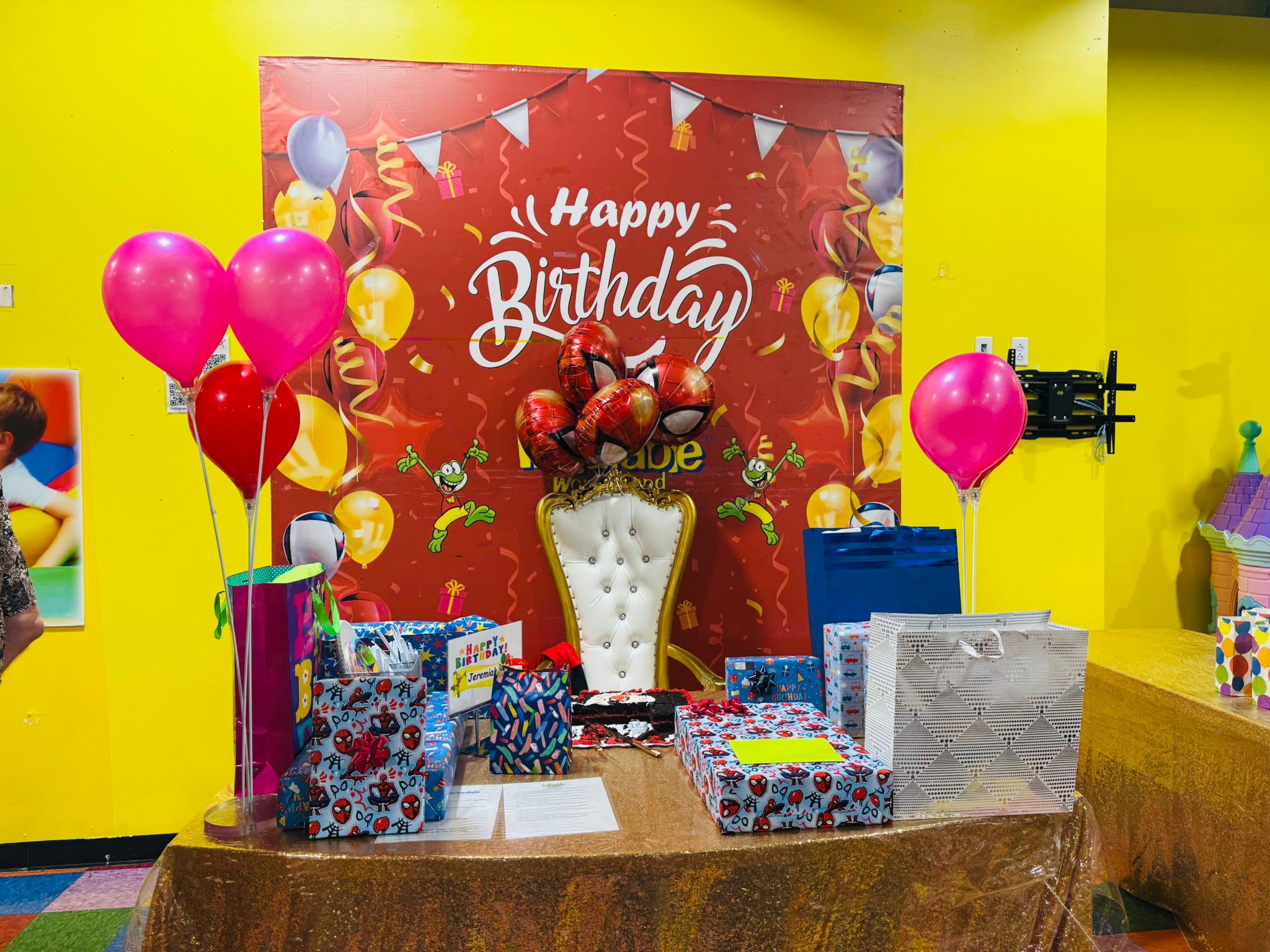
A superhero cape, princess crown, fairy wings, themed backdrop, or character-inspired cake can provide enough visual context to introduce the imaginary world. Children can then build on that foundation through their own conversations and games rather than following a tightly managed sequence of themed activities.
For families celebrating at Inflatable Wonderland in Austin, this approach allows a character theme to complement an active birthday experience without competing with it. Children can arrive dressed as heroes, royalty, fairies, or other favorite characters and then incorporate those identities naturally into the way they play with friends.
Moving Beyond Traditional Gender Expectations
Superheroes, princesses, and fairies do not need to fit traditional assumptions about which characters children should enjoy. A girl may be fascinated by superheroes, a boy may enjoy castles and magical worlds, and another child may want superheroes, royalty, and fantasy characters represented in the same celebration.
Allowing children to select characters based on genuine interests keeps the emphasis where it belongs: imagination. Children often combine fictional worlds far more freely than adults do, creating stories in which heroes, princesses, fairies, animals, explorers, and entirely original characters can exist together.
This freedom can make imaginative play richer because children are not limited to reproducing the story exactly as it originally appeared.
From Following Stories to Creating Them
One of the most interesting developments occurs when children begin changing familiar characters and storylines. The princess may become the rescuer, the fairy may become the strongest character, or the superhero may need help from an entire team before the mission can succeed.
At that point, children are no longer simply consuming a story created for them. They are becoming storytellers themselves, negotiating roles, introducing new ideas, responding to friends, and determining how the imaginary world works.
Parents do not need to direct this process or turn it into a formal learning activity. Giving children room to develop their own stories can be valuable in itself, particularly when several children must collaborate to keep the game moving.
Choosing a Birthday Theme With Meaning
When selecting a birthday theme, parents can consider not only which character a child likes but also what attracts the child to that character. The answer may reveal an interest in adventure, magic, leadership, animals, helping others, exploration, fashion, music, or simply the freedom to imagine something extraordinary.
That perspective can make theme selection easier and more flexible. Instead of recreating a particular movie or character exactly, families can build around the broader idea the child enjoys. A superhero celebration can become an adventure theme, a princess party can emphasize a magical kingdom, and a fairy celebration can focus on an enchanted world.
The result can feel personal while still giving children enough freedom to make the experience their own.
Key Takeaways
- Superhero play can introduce children to ideas involving courage, persistence, teamwork, responsibility, and helping others.
- Princess play can incorporate confidence, leadership, friendship, creativity, exploration, and imaginative storytelling.
- Fairy themes encourage open-ended creativity by allowing children to invent magical worlds, characters, abilities, and adventures.
- Character play allows children to move from watching fictional stories to actively participating in and changing them.
- Birthday themes can reflect a child’s current interests without requiring an elaborate or highly structured celebration.
- Simple themed elements can establish an imaginary world while leaving children free to create their own experiences.
- Character preferences do not need to follow traditional gender expectations.
- Understanding why a child loves a particular character can help families create a more personal birthday theme.
Conclusion
The continuing popularity of superheroes, princesses, and fairies is not simply a result of entertainment trends. These characters represent ideas that naturally appeal to childhood: becoming powerful enough to overcome a challenge, confident enough to lead an adventure, or imaginative enough to believe that an entirely different world could exist.
That is also what makes these characters meaningful choices for children’s birthday themes. The objective does not have to be recreating a movie, castle, superhero headquarters, or enchanted forest in perfect detail. A thoughtful theme can simply provide the starting point from which children build their own stories.
At Inflatable Wonderland in Austin, a cape, crown, or pair of fairy wings can become part of a larger birthday experience centered on movement, friendship, imagination, and play. Long after a particular character is no longer a favorite, the childhood experience of imagining oneself as brave, capable, creative, or extraordinary can remain a meaningful memory.
Frequently Asked Questions
Why are superheroes popular birthday themes for children?
Superheroes combine adventure with recognizable ideas such as courage, teamwork, persistence, and helping others. Their stories also translate easily into imaginative group play because children can create missions, challenges, characters, and teams of their own.
What can princess-themed play encourage?
Princess play can involve much more than costumes and castles. Depending on the child’s interests, it can incorporate leadership, storytelling, friendship, music, exploration, decision-making, and creative role-play.
Why do children enjoy fairy themes?
Fairy worlds are highly flexible and allow children to imagine magic, hidden places, unusual creatures, special abilities, and entirely original adventures. That flexibility makes fairy themes particularly suitable for open-ended imaginative play.
Should a child’s birthday theme match traditional gender expectations?
No. Children can be encouraged to choose themes based on the characters, stories, activities, and imaginary worlds that genuinely interest them rather than conventional expectations.
Does a themed birthday require elaborate decorations?
Not necessarily. A few recognizable elements such as capes, crowns, wings, a themed cake, or a backdrop can establish the idea while allowing children’s own imagination and play to carry the experience.
Why combine imaginative themes with an indoor play birthday?
The theme provides an imaginary identity or story, while an indoor play environment provides opportunities for children to move, explore, and interact with friends. The two can complement each other without requiring every activity to be formally organized around the theme.