
A Small Tradition With a Long History Birthday celebrations have changed dramatically across generations, but one moment remains remarkably familiar. The cake arrives, family and friends gather around, candles are lit, everyone sings, and the birthday child makes a wish before trying to blow out every flame. Families repeat this ritual every year, often without considering where it came from. Why do birthdays involve cake? Why do we count candles? Why is the wish supposed to remain secret, and why does the birthday child traditionally receive the first moment of attention before the cake is shared? The modern birthday ritual did not originate from one single event. Instead, traditions involving cakes, candles, wishes and children’s celebrations developed over centuries before gradually becoming the familiar experience families recognize today.
Why Do We Cut Cake and Blow Out Candles on Birthdays?
Why Do We Cut Cake and Blow Out Candles on Birthdays?
Where Did the Birthday Cake Tradition Begin?
Special cakes have been associated with celebrations for centuries, although historians caution against attributing today’s birthday cake to one simple ancient origin.
One of the strongest historical connections to the modern children’s birthday celebration comes from Germany. By the 18th century, Kinderfest traditions celebrated children’s birthdays with cakes and candles, helping establish customs that would later influence birthday celebrations elsewhere.
As baking ingredients, ovens and decorated cakes became more widely accessible, birthday cakes gradually moved beyond wealthier households and became a familiar part of family celebrations.
Today, the cake serves a purpose beyond dessert. It creates a recognizable centerpiece around which people can gather to acknowledge another year in someone’s life.
Why Do We Put Candles on Birthday Cakes?
Several explanations have been proposed for the origins of birthday candles. Ancient Greek rituals involving cakes and light are sometimes presented as an early influence, although historians have cautioned that there is not strong direct evidence connecting those practices specifically to today’s birthday-candle tradition.
A clearer connection appears in German children’s birthday customs. Candles could represent the child’s years of life, while some versions of the tradition included an additional candle associated with continued life or hope for the year ahead.
The symbolism remains easy to understand today even when families know nothing about the historical background. A birthday marks both the completion of another year and the beginning of the next, while the candles provide a simple visual representation of that milestone.
Why Do We Blow Out the Candles and Make a Wish?
The tradition of quietly making a wish before blowing out birthday candles also developed around older European birthday customs. Over time, the idea emerged that a birthday wish might come true if the candles could be extinguished successfully, particularly in a single breath.
For modern families, the folklore behind the custom is usually less important than the experience itself. Children understand the excitement of thinking of something special, keeping the wish private and attempting to extinguish every candle while family and friends watch.
The ritual also gives the birthday child a brief moment of anticipation. Before the cake is served and the celebration continues, everyone pauses together while one child considers a hope for the year ahead.
Why Do We Cut and Share the Birthday Cake?
Unlike some aspects of the candle tradition, there is no single firmly documented historical event explaining why the birthday person must ceremonially make the first cut.
Its modern significance is better understood through what happens next. The cake begins as something created specifically around the birthday person, often featuring their name, age, favorite colors, interests or characters. Once it is cut, something centered on one individual becomes something shared among everyone attending.
That transition reflects the broader purpose of a birthday celebration. The occasion recognizes one person’s milestone, but the experience itself is shared with family and friends.
Why the Birthday Song and Cake Moment Feel So Important
For a child, the cake tradition creates something particularly meaningful during a celebration: a moment of collective recognition. Family and friends gather around one child, sing their name and acknowledge another year of growth before sharing the cake together.
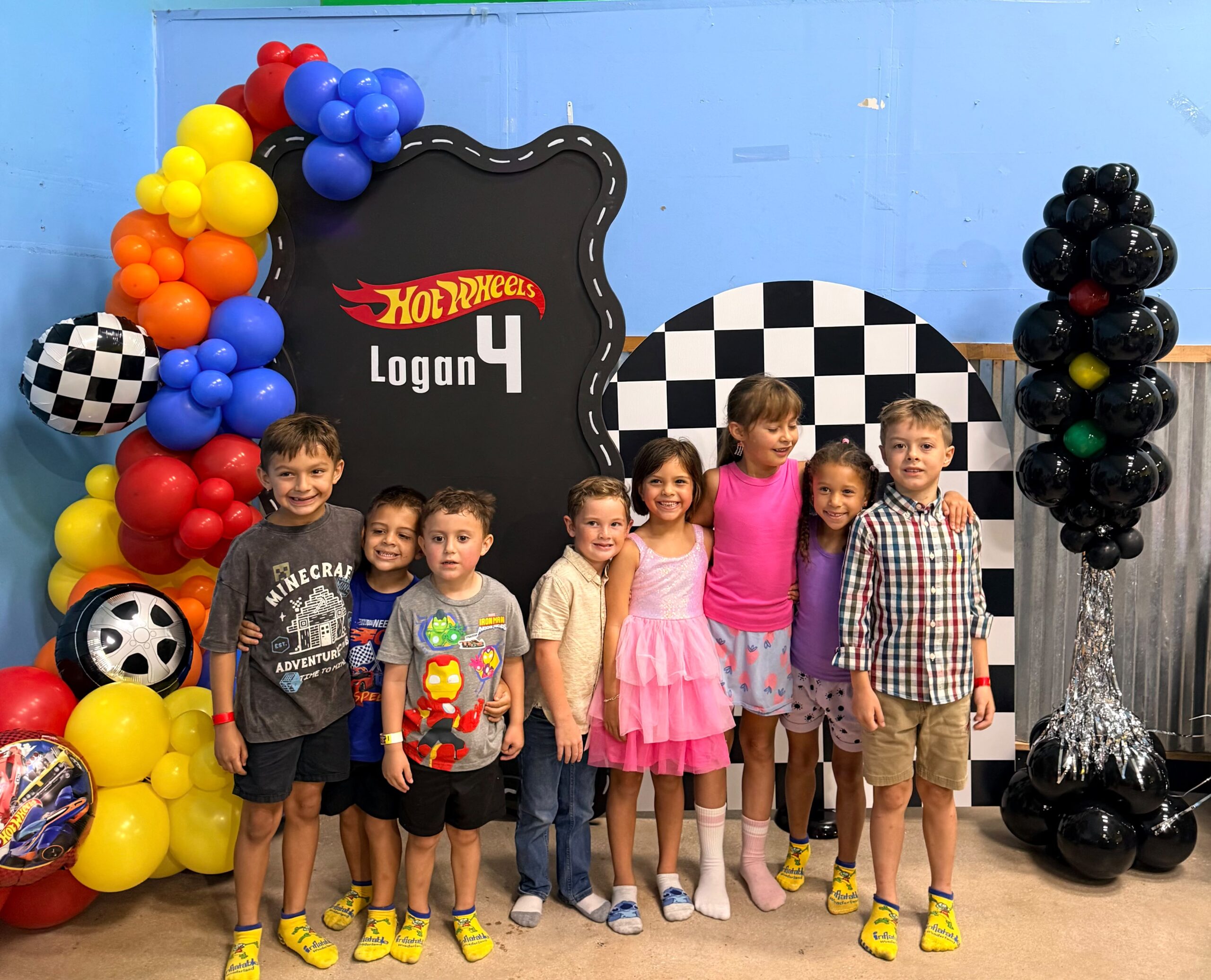
That same tradition continues in very different birthday settings today. Families celebrating at Inflatable Wonderland San Antonio, for example, may choose a modern, activity-filled birthday experience while still preserving familiar traditions such as cake, candles, singing and photographs.
The setting has evolved, but the emotional purpose of the tradition remains remarkably similar. This may help explain why cake cutting continues even when virtually every other part of children’s birthday celebrations has changed. It provides a recognizable centerpiece and creates a moment that belongs specifically to the birthday child.
Birthday Cake as a Childhood Memory Marker
Birthday cake also has an interesting role in family memories. Look through photographs from different generations and the surroundings may change considerably, but one image appears repeatedly: a child behind a cake, candles glowing and family or friends gathered nearby.
Those photographs become markers of childhood. Parents can see how much their child grew from one birthday to the next, while children eventually gain a visual history of celebrations they may otherwise barely remember.
The cake itself may be gone within an hour, but the photograph of a child waiting to blow out the candles can remain in a family collection for decades. This gives the tradition significance beyond the celebration happening that day.
Why Birthday Traditions Matter to Children
Traditions give children recognizable moments they can anticipate. Birthdays may occur only once each year, but children quickly learn the familiar sequence associated with them: hearing people sing their name, seeing candles on the cake, making a wish and receiving special recognition from the people around them.
That predictability can become part of what makes birthdays exciting. Children may not understand the centuries of history behind the custom, but they understand what the moment represents: today is their day to be celebrated.
As children grow older, the cake design, number of guests and type of celebration may change. The basic ritual often remains because it provides continuity from one year of childhood to the next.
An Old Tradition in a Modern San Antonio Birthday
Children’s birthday celebrations today offer families considerably more choices than previous generations had. Some families celebrate at home, while others choose parks, restaurants, entertainment venues or indoor play destinations.
At Inflatable Wonderland San Antonio, families can create a contemporary birthday experience centered around children having fun together while still incorporating traditions that parents and grandparents immediately recognize.
That combination illustrates why birthday customs are so durable. A celebration does not need to look like one from decades ago to preserve its most meaningful elements. Cake, candles, singing, photographs and a child’s secret wish can fit naturally into a modern birthday just as they did into celebrations from earlier generations.
Key Takeaways
- Modern children’s birthday cake traditions have a strong historical connection to German Kinderfest celebrations.
- Birthday candles traditionally represented years of life, with some customs including an additional candle associated with the year ahead.
- Making a private wish and attempting to extinguish the candles became part of the birthday tradition over time.
- Popular claims directly connecting today’s birthday candles with ancient Greek customs should be treated cautiously because the historical link is not firmly established.
- Cutting and sharing cake transforms something centered on the birthday child into something shared with family and friends.
- Cake, candles and birthday photographs can become recognizable markers of childhood from one year to the next.
- Modern birthday venues can change how families celebrate without replacing the traditions that give birthdays their familiar meaning.
Conclusion
The familiar sequence of birthday cake, candles, singing, a secret wish and cake cutting may last only a few minutes, but it brings together traditions that have developed across generations.
For most families today, the significance is less about ancient beliefs and more about recognition, connection and memory. Everyone gathers around one person, acknowledges another year of life and then shares part of the celebration together.
Whether a San Antonio family celebrates at home or gathers friends for a birthday at Inflatable Wonderland San Antonio, the basic ritual remains recognizable. Venues, themes and children’s interests will continue to change, but the simple experience of watching a child smile behind a glowing birthday cake may be one tradition families continue carrying forward.
Frequently Asked Questions
Why do we put candles on birthday cakes?
The modern tradition has a strong connection to German children’s birthday customs, where candles could represent the child’s years of life. Some versions of the tradition also included an additional candle associated with continued life or hope for the coming year.
Why do we make a wish before blowing out birthday candles?
Wish-making became associated with birthday candles through traditions suggesting that a private wish might be granted if the birthday person successfully extinguished the candles. Today, families generally continue the practice as a fun and meaningful birthday ritual.
Why does the birthday child cut the cake?
There is no single firmly established historical origin for today’s ceremonial first cut. In modern celebrations, cutting the cake marks a natural transition from recognizing the birthday person to sharing the celebration with everyone attending.
Why is the birthday cake moment so important for children?
Cake and candles create a recognizable moment when family and friends focus specifically on the birthday child. The singing, wish, candles and photographs can also become memories that families associate with each stage of childhood.
Why has the birthday cake tradition lasted for so long?
Birthday celebrations have evolved considerably, but cake and candles provide a simple ritual that families across generations recognize. The tradition combines individual recognition, family participation, celebration and memory-making in a single moment.