
Many working parents carry the same quiet worry: “Am I spending enough time with my children?” Between full-time jobs, school schedules, homework, sports practices, dance classes, music lessons, and household responsibilities, it can feel impossible to give every child the same amount of attention. Parents often believe that fairness means dividing time equally, but child development research suggests something different. Children don’t measure love by the clock. They measure it by connection. The moments when they feel heard, included, celebrated, and important often become the memories they carry into adulthood. For busy families, the goal isn’t to create equal hours—it is to create meaningful moments.
Why Kids Don’t Need Equal Time—They Need Meaningful Moments
Why Kids Don’t Need Equal Time—They Need Meaningful Moments
Why Equal Time Isn’t Always Possible
Life with multiple children rarely looks balanced.
One child may have soccer three nights a week.
Another may need extra help with reading.
A toddler requires constant supervision while an older sibling simply wants someone to watch their performance at school.
Trying to split every minute evenly often leaves parents feeling exhausted and guilty.
Fortunately, children don’t usually ask, “Did Mom spend exactly 30 more minutes with my brother?”
Instead, they ask themselves:
- Did my parents notice me today?
- Did they listen when I talked?
- Did they celebrate my accomplishments?
- Did they enjoy being with me?
Those emotional questions matter far more than equal schedules.
Children Remember Feelings More Than Time
Ask most adults about their favorite childhood memories, and they rarely mention how many hours they spent with their parents.
Instead, they remember experiences.
- Dad cheering at a soccer game.
- Mom reading bedtime stories.
- Family movie nights.
- Weekend adventures.
- Birthday celebrations.
- Laughing together over dinner.
These memories stand out because of how they made children feel.
Safe.
Loved.
Important.
Connected.
The emotional quality of an experience often lasts much longer than its length.
The Power of Micro-Moments
Many parents believe creating memories requires an entire weekend or an expensive vacation.
In reality, small moments repeated consistently have an enormous impact.
Examples include:
- Five uninterrupted minutes before school.
- Talking during the drive to practice.
- A bedtime routine every night.
- Eating breakfast together.
- Sharing a favorite snack after class.
- Celebrating “good effort” instead of only achievements.
These micro-moments become the emotional glue that strengthens family relationships.
Fair Doesn’t Always Mean Equal
One of the biggest parenting misconceptions is believing every child must receive identical attention.
Children have different personalities, interests, and emotional needs.
One child may crave conversation.
Another feels loved through physical affection.
A third simply wants a parent watching them play.
Meeting children where they are emotionally often creates a stronger connection than trying to divide time perfectly.
The goal is not equal treatment.
The goal is helping every child feel equally valued.
Create Family Rituals That Children Can Count On
One of the easiest ways to build lasting memories is through consistent family rituals.
Children thrive when they know certain moments belong to the family.
Simple traditions include:
- Friday pizza night
- Saturday morning pancakes
- Sunday evening walks
- Monthly family game nights
- Birthday breakfast traditions
- End-of-school celebrations
These traditions provide children with something to anticipate regardless of how busy life becomes.
Years later, they often become the stories families continue to tell.
Let Each Child Have Their Own Special Moment
Every child deserves time that belongs just to them.
This doesn’t have to be elaborate.
Ideas include:
- Running errands together.
- Getting ice cream after practice.
- Reading one extra story before bed.
- Going for a short walk.
- Playing their favorite game for twenty minutes.
Children don’t need extravagant outings.
They need moments where they don’t have to compete for attention.
Turn Everyday Activities Into Memory-Making Opportunities
Not every family memory needs to happen on vacation.
Some of the strongest family connections happen during ordinary days.
Cooking dinner together.
Folding laundry while talking.
Walking the dog.
Watching the sunset.
Playing catch outside.
Singing in the car.
Children often remember these simple routines because they happen repeatedly with the people they love most.
Why Active Play Helps Families Reconnect
After long workdays and packed schedules, active play offers families a chance to reconnect without distractions.
Playing together naturally encourages:
- Laughter
- Communication
- Teamwork
- Confidence
- Problem-solving
- Stress relief
Unlike screen time, active play encourages eye contact, conversation, and shared experiences that strengthen family relationships.
Building Family Traditions at Inflatable Wonderland San Antonio
Many busy families discover that creating memories doesn’t require planning an elaborate vacation—it simply requires setting aside intentional time together.
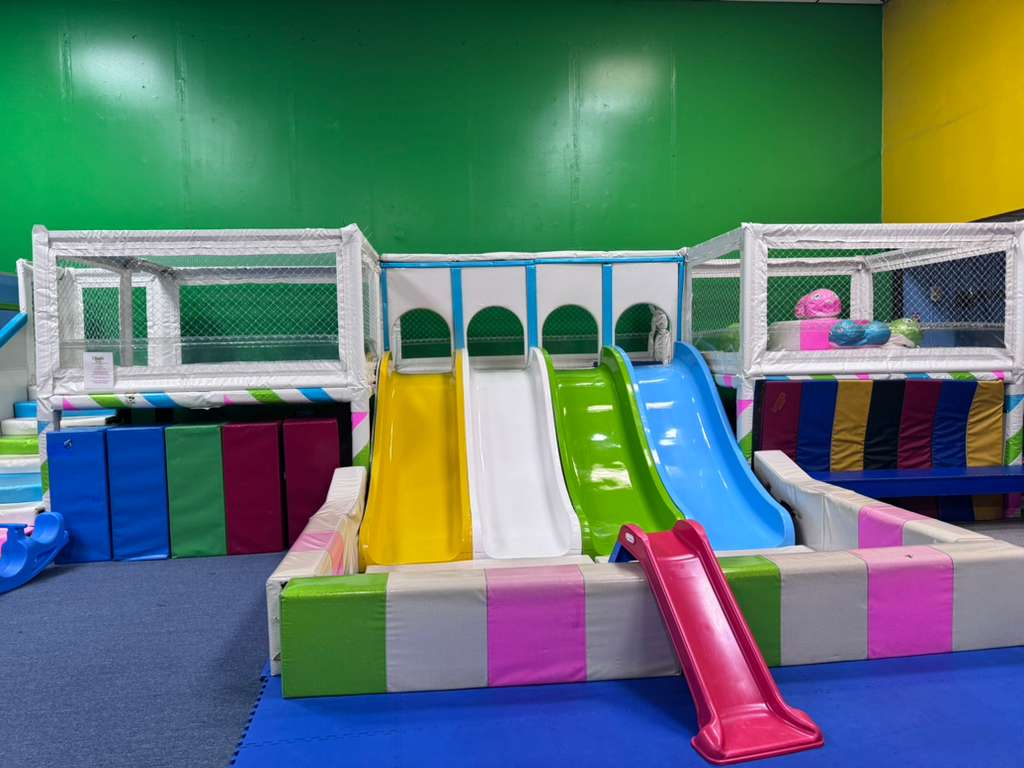
A monthly family outing to Inflatable Wonderland San Antonio can become one of those traditions children eagerly anticipate. Instead of spending the weekend rushing from one activity to another, families can enjoy a place where siblings of different ages stay active together while parents focus on making memories instead of managing complicated schedules.
Whether children are racing through inflatable obstacle courses, climbing giant play structures, sliding down exciting attractions, or celebrating a birthday with friends, the experience is about much more than entertainment. It creates opportunities for parents to cheer on their children, celebrate small victories, laugh together, and enjoy uninterrupted family time.
These shared experiences often become the stories children tell for years—“Remember when we all raced down the slide?” or “Remember my birthday party?” Those moments help strengthen family bonds long after the day is over.
For working parents in San Antonio, choosing experiences that combine fun, movement, and togetherness makes it easier to turn an ordinary weekend into a lasting family tradition.
Signs Your Child Feels Emotionally Connected
Parents often wonder if they’re doing enough.
Rather than measuring hours, look for these signs:
- Your child shares stories about their day.
- They invite you to play.
- They seek hugs or affection.
- They ask you to attend important events.
- They smile when talking about family traditions.
- They feel comfortable discussing their emotions.
These behaviors often indicate children feel emotionally secure and connected.
You Don’t Have to Be a Perfect Parent
Every parent misses a recital.
Every parent works late sometimes.
Every family experiences hectic weeks.
Children aren’t looking for perfection.
They’re looking for consistency.
Showing up repeatedly in small, meaningful ways builds trust over time.
The conversations before bedtime.
The hugs before school.
The family traditions.
The shared adventures.
Those moments matter far more than keeping a perfect schedule.
Final Thoughts
Busy working parents often worry that they aren’t giving enough time to each child. But meaningful parenting isn’t about keeping score or dividing every hour equally—it’s about helping every child feel seen, heard, and deeply loved.
The memories children cherish rarely come from expensive vacations or perfectly planned weekends. They grow from everyday conversations, family rituals, shared laughter, and intentional experiences together.
Whether it’s a bedtime story, cheering from the sidelines at a game, celebrating a small accomplishment, or making a monthly visit to Inflatable Wonderland San Antonio, these meaningful moments remind children that they belong and that they matter.
Years from now, they may not remember how busy life was—but they’ll remember how you made them feel.
Key Takeaways
- Children value emotional connection more than equal amounts of time.
- Small, consistent “micro-moments” often become lifelong memories.
- Family traditions provide stability and strengthen relationships.
- One-on-one attention helps every child feel seen and appreciated.
- Active play encourages bonding, communication, and shared joy.
- Meaningful experiences at places like Inflatable Wonderland San Antonio can become treasured family traditions that busy parents and children look forward to together.
Frequently Asked Questions
Do children need equal time from each parent?
No. While every child deserves attention and love, equal time isn’t always realistic. What matters most is that each child regularly experiences meaningful, focused connection with their parents.
How can busy working parents make every child feel important?
Create small but consistent one-on-one moments, celebrate individual accomplishments, maintain family traditions, and be fully present during the time you spend together.
What are micro-moments in parenting?
Micro-moments are short but meaningful interactions—such as talking during a car ride, reading a bedtime story, or sharing breakfast—that build emotional security over time.
Why do family traditions matter?
Family traditions create predictability, strengthen emotional bonds, and give children positive memories they often carry into adulthood.
What makes active play valuable for families?
Active play encourages communication, laughter, confidence, and teamwork while giving families opportunities to spend meaningful time together. Destinations like Inflatable Wonderland San Antonio make it easy for parents and children to enjoy fun, active experiences that can become lasting family memories.
Visit Us Today