
Snack time can feel like a negotiation, but the right mix of flavor, color, and simple preparation makes healthy choices irresistible for children. This article shows practical, kid-tested snack ideas—fruit- and veggie-forward options, protein-rich bites, and portable make-ahead treats—so parents can offer nutritious snacks that sustain growth and active play. Kids Wonderland, an indoor play and party center in McAllen, Texas, supports family wellbeing and encourages fueling up with balanced snacks before and after active sessions. They also offer fun treats like popcorn, perfect for enjoying during a visit. Many parents struggle with picky eating, time constraints, and safety concerns for toddlers; this guide addresses those pain points with quick recipes, presentation tips, and safety notes. Read on for recipe-style snack cards, snack comparison tables, picky-eater strategies, on-the-go packing tips, and a nutrient spotlight tied to active play.
Healthy Snacks for Kids That They Will Love: Easy, Nutritious, and Kid-Friendly Recipes
What Are the Best Healthy Snack Recipes for Kids?
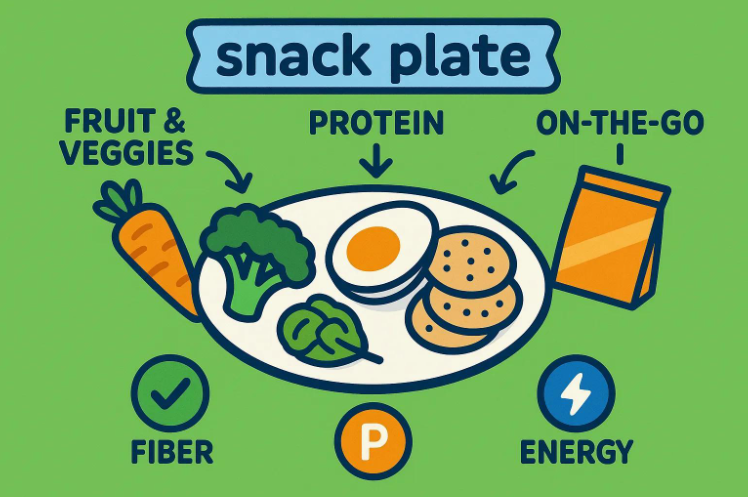
Healthy snack recipes for kids combine simple ingredients, appealing textures, and quick assembly to deliver vitamins, fiber, and protein in bite-sized forms. Balanced snacks work by pairing carbohydrates with protein or healthy fat to stabilize energy and support concentration during play and learning. Below are compact recipe-style ideas that are easy to scale, age-appropriate, and visually fun for children.
Which Easy Fruit and Veggie Snacks Do Kids Enjoy Most?
Colorful fruit and vegetable snacks become more appealing when they are bite-sized and interactive, which increases willingness to try new items. Examples like fruit skewers or cucumber “coins” with yogurt dip use whole fruit and raw vegetables to maximize vitamin C and fiber intake while keeping prep simple. Presentation tips—alternating colors, using small cookie cutters for shapes, or serving in clear cups—make textures playful without hiding nutrients. For toddlers, ensure pieces are small and soft enough to reduce choking risk while keeping flavors familiar.
What Protein-Packed Snacks Support Kids’ Growth and Energy?
Protein-packed snacks sustain growth, promote muscle repair, and extend satiety between meals, which is crucial for active children. Easy options include yogurt parfaits layered with fruit and whole-grain cereal, cheese cubes paired with whole-grain crackers, and mashed chickpea spread on pita triangles. These snacks provide calcium, complete protein, and iron when paired with vitamin C–rich fruit to improve absorption. Keep portions age-appropriate and offer cut or softened textures for younger children to maintain safety.
Introductory comparison to help choose a snack by nutrient focus and time availability:
| Snack Item | Key Nutrients | Best For (age/need) | Prep Time |
|---|---|---|---|
| Fruit skewers | Vitamin C, fiber | Ages 3+, picky eaters | 5 min |
| Yogurt parfait | Protein, calcium | Ages 2+, after activity | 3 min |
| Hummus & pita | Protein, fiber | Ages 4+, vegetarian option | 5 min |
How Can Parents Make Healthy Snacks Appealing to Picky Eaters?
Making snacks appealing to selective eaters relies on presentation, texture variation, and small steps that increase familiarity without pressure. Start by framing healthy ingredients in playful ways and offer dips or small portions to reduce resistance. Involving children in selection and preparation builds ownership and curiosity, which often improves acceptance over time. Below are concrete tactics parents can use to win over picky eaters.
- Offer choices between two healthy options so the child feels in control and is likelier to try one.
- Pair a new item with a trusted favorite to reduce perceived risk and encourage tasting.
- Use dips (yogurt, hummus, nut butters) to change textures and make vegetables more interactive.
These strategies emphasize gradual exposure and fun presentation to reshape preferences; combine them with consistent, low-pressure routines to see improvement over weeks.
What Creative Snack Ideas Help Win Over Selective Eaters?
Playful rebranding and hidden-ingredient tactics can make nutrient-dense snacks feel like treats and reduce immediate rejection. Examples include “rainbow tacos” made with colorful slaw in mini corn tortillas, smoothies labeled as power shakes, or muffin tin mixes that portion multiple flavors. Swaps—such as substituting applesauce for oil in baking or blending spinach into pancake batter—preserve taste while boosting nutrients. Rotate textures slowly and praise small steps to keep the focus positive and exploratory.
How Does Involving Kids in Snack Preparation Improve Eating Habits?
Participation increases acceptance because children are more likely to try foods they helped prepare; involvement also teaches food skills and portion sense. Age-appropriate tasks include washing fruit for toddlers, measuring ingredients for preschoolers, and assembling skewers for school-aged children. Short, supervised responsibilities build confidence and create a predictable snack routine that reduces mealtime battles. Over time, involvement shifts snacks from parent-led decisions to collaborative family habits.
What Are Quick and Nutritious On-the-Go Snack Options for Kids?
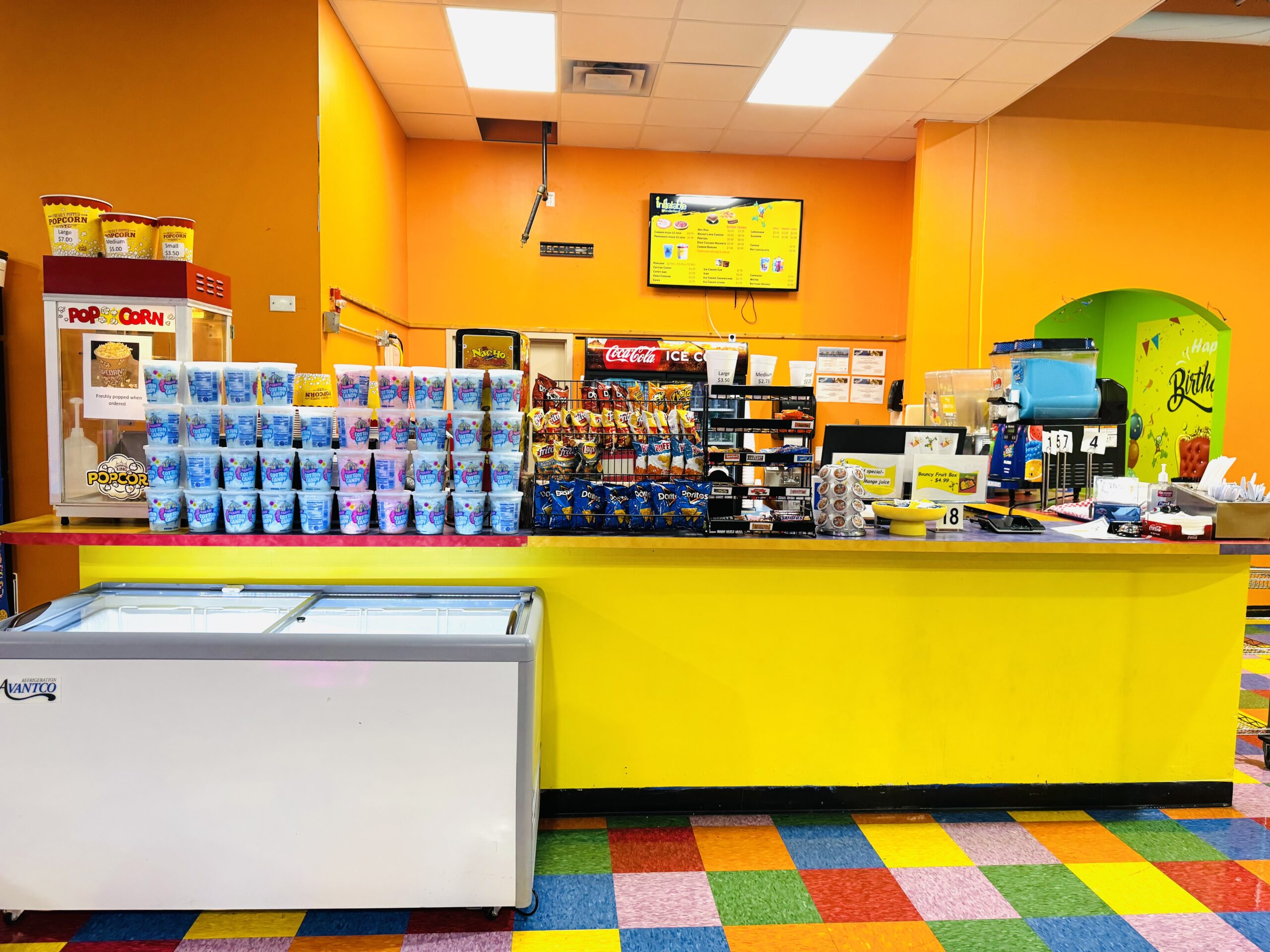
On-the-go snacks must balance portability, shelf-stability, nutrition, and allergen awareness to be practical for outings, school, and parties. Prepareable options that travel well help maintain energy during active play and reduce reliance on sugary convenience choices. For those times when you’re out and about, venues like Inflatable Wonderland also offer convenient options such as popcorn, providing a fun treat to enjoy during active sessions. For parties, a colorful fruit platter is always a great, healthy addition. Below are make-ahead ideas and guidance on including whole grains and dairy while managing safety and storage.
Which Make-Ahead Snacks Are Perfect for Busy Families?
Batch-friendly recipes save time and make healthy snacking predictable for busy days, providing grab-and-go access to balanced nutrients. Examples include whole-grain mini muffins with fruit, roasted chickpeas seasoned lightly for crunch, and layered yogurt cups stored in airtight containers for 48 hours. Shelf-life and reheating notes help families plan: muffins and roasted chickpeas keep several days refrigerated, while yogurt cups are best within two days. Prep once on weekends to reduce daily decision fatigue and ensure options are ready before events or active visits.
- Whole-grain mini muffins: store in fridge up to 4 days.
- Roasted chickpeas: keep crunchy in airtight tins for 3–5 days.
- Layered yogurt cups: assemble and refrigerate for up to 48 hours.
A simple batch-prep routine reduces stress and increases the likelihood that children will eat balanced snacks during outings and parties.
How Do Whole Grains and Dairy Fit into Healthy Snack Choices?
Whole grains provide fiber and slow-release carbohydrates that support sustained energy, while dairy contributes calcium and high-quality protein for growth and bone development. Combining whole-grain crackers with cheese, or pairing Greek yogurt with fruit and oats, balances quick energy with protein to stabilize blood sugar. For portable options, choose individually portioned whole-grain items and firm cheeses that travel well. Including these components in snack rotation supports satiety and steady play energy without excess sugar.
Introductory portability table for outings and parties:
| Snack Item | Portability | Shelf-Stability | Allergen Notes |
|---|---|---|---|
| Cheese cubes & apple slices | High | 4–6 hours if kept cool | Dairy |
| Trail mix (no peanuts if needed) | Very high | Several days | Nuts possible |
| Whole-grain crackers + hummus (in cooler) | High with cooler | 4–6 hours | Sesame, legumes |
| Fruit platter | Medium (needs careful transport) | 2-4 hours (best fresh) | None (if no dips) |
Why Are Healthy Snacks Important for Kids’ Growth and Active Play?
Healthy snacks function as mini-meals that refill energy stores, support concentration, and aid recovery after active play; they matter because children have higher per-pound energy needs and variable meal timings. Prioritizing protein, fiber, calcium, and iron helps with muscle repair, sustained focus, bone development, and oxygen transport—key for energetic play and learning. Portion control and age-appropriate textures also reduce choking risk among toddlers while ensuring nutrient density for growing bodies. Below is a concise nutrient spotlight linking roles to food sources and snack pairings.
How Do Healthy Snacks Support Energy and Development?
Balanced snacks stabilize blood sugar by combining carbohydrates with protein or fat, which sustains activity and reduces mid-play meltdowns. For example, pairing a banana with nut butter provides quick carbohydrates plus protein and healthy fat for longer-lasting energy. Similarly, yogurt with berries supplies calcium and antioxidants to support post-play recovery. Choosing these combinations before or after sessions at active venues helps children maintain stamina and recover efficiently.
What Nutrients Should Parents Prioritize in Kids’ Snacks?
Key nutrients include protein for growth, fiber for digestive health and satiety, calcium for bone strength, and iron for cognitive function; each plays a distinct role in development and daily energy. Foods like dairy, lean proteins, beans, whole grains, fruits, and vegetables supply these nutrients naturally and can be combined into simple snack pairings that children enjoy. Below is a quick EAV-style nutrient table to guide choices and matching snack examples.
| Nutrient | Role in Growth/Energy | Food Sources |
|---|---|---|
| Protein | Muscle growth, repair | Yogurt, cheese, hummus, eggs |
| Fiber | Satiety, digestive health | Fruit, veggies, whole grains |
| Calcium | Bone development | Dairy, fortified yogurt |
| Iron | Cognitive development, oxygen transport | Beans, lean meats, fortified cereals |
Prioritizing these nutrients in snacks supports active play and overall development; consider offering suggested pairings like yogurt + fruit (calcium + fiber) or hummus + whole-grain pita (protein + whole grains) before family visits to play centers or during party planning at Kids Wonderland to keep energy steady and fun levels high.
Conclusion
Providing healthy snacks for kids not only supports their growth and energy levels but also makes mealtime enjoyable and stress-free for parents. By incorporating colorful fruits, protein-rich options, and engaging presentation techniques, you can encourage even the pickiest eaters to embrace nutritious choices. Explore our collection of easy, kid-friendly recipes to transform snack time into a fun and healthy experience. Start creating delightful snacks today and watch your children thrive!