
Does your child constantly ask to eat at a restaurant but suddenly lose interest when you serve dinner at home? You’re not alone. Many parents struggle when their child becomes bored with familiar home-cooked meals, stops getting excited about fruit and vegetables, or repeatedly asks for pizza, burgers, fries, noodles or other restaurant favorites. The solution isn’t necessarily to make every meal healthier, more complicated or completely different. Instead, parents can make home-cooked food more appealing by adding variety, choice, participation and fun to the mealtime experience.
How to Get Kids to Eat More Home-Cooked Food When They Always Want to Eat Out
Why Do Kids Prefer Restaurant Food Over Home-Cooked Meals?
Children may prefer eating out for reasons that go beyond taste.
Restaurant meals often provide:
- More variety
- Stronger flavors
- Different textures
- Fun presentation
- Individual portions
- Dipping sauces and toppings
- More choices
- A change from the normal routine
- A social or family experience
In other words, children aren’t always choosing restaurant food because it tastes better. They may be choosing the experience that comes with it.
That distinction is important.
Instead of constantly trying to compete with restaurants, parents can bring some of those same elements into the home.
How Can Parents Make Home Food More Exciting?
The easiest approach is to change the experience around familiar foods.
You don’t need a completely new recipe every night.
Try this simple formula:
Familiar food + choice + participation + variety = a more engaging home meal
For example, instead of serving chicken, rice and vegetables already combined on a plate, create a build-your-own rice bowl.
Offer:
- Rice
- Chicken or another protein
- Corn
- Cheese
- Avocado
- Cucumber
- Carrots
- Yogurt or another favorite sauce
Now your child gets to decide what goes into the bowl.
The ingredients may be familiar, but the meal feels different.
Give Kids Choices Without Letting Them Choose the Entire Menu
Unlimited choices can quickly turn dinner into:
“I don’t want that. I want to eat out.”
Instead of asking:
“What do you want for dinner?”
try offering two choices:
“Do you want chicken tacos or chicken quesadillas?”
or:
“Would you like rice or noodles?”
or:
“Do you want strawberries or grapes with dinner?”
This gives children a sense of control while keeping the meal within the boundaries you’ve established.
Make Build-Your-Own Meals Part of the Weekly Routine
Children often enjoy meals more when they get to assemble them.
Try creating a weekly build-your-own dinner night.
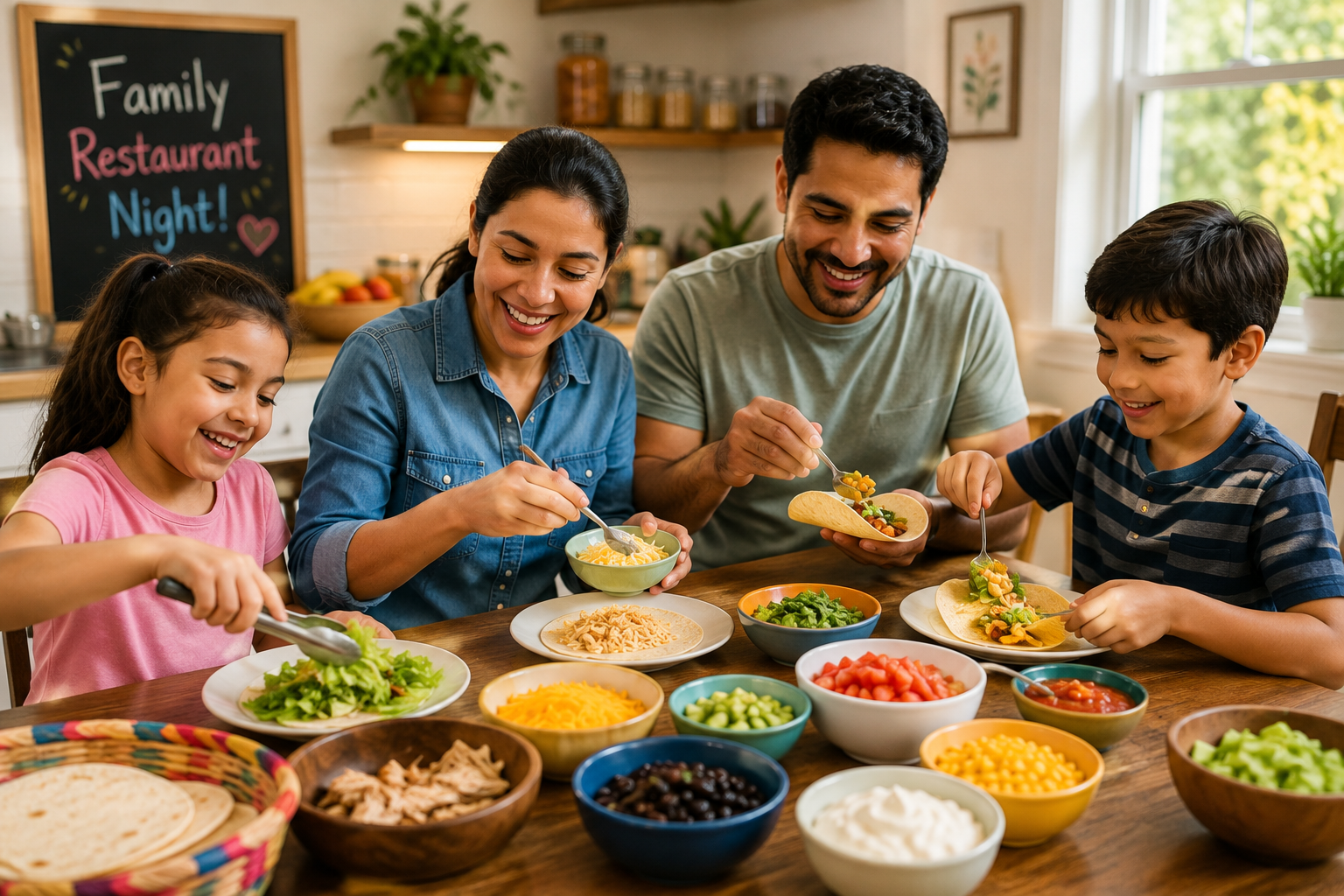
Build-Your-Own Taco Night
Offer:
- Tortillas
- Chicken, beans or another protein
- Cheese
- Corn
- Lettuce
- Tomatoes
- Avocado
- Yogurt or sour cream
- Mild salsa
Build-Your-Own Pizza Night
Use:
- Mini naan
- Tortillas
- English muffins
- Pizza dough
Then provide several toppings.
Build-Your-Own Pasta Bowl
Offer:
- Pasta
- Marinara
- Alfredo or another preferred sauce
- Chicken
- Cheese
- Peas
- Corn
- Broccoli
Build-Your-Own Wrap
Put out:
- Tortillas
- Chicken
- Cheese
- Lettuce
- Cucumber
- Avocado
- Hummus
- Yogurt-based sauce
The goal isn’t to create elaborate meals.
It’s to allow children to participate in the meal instead of simply receiving it.
What Should You Feed a Child Who Gets Bored With Fruit?
Fruit is nutritious, but eating the same fruit in the same way every day can become boring.
Instead of eliminating fruit when your child loses interest, change how it’s served.
Try:
Fruit Skewers
Combine several fruits on small skewers.
Yogurt Parfaits
Layer yogurt, fruit and a small amount of granola.
Smoothies
Let your child choose two or three fruits for a smoothie.
Frozen Fruit
Frozen berries, grapes or banana pieces provide a different texture.
Apple Dippers
Serve apple slices with a favorite nut or seed butter when appropriate.
Fruit “Pizza”
Use a small pancake, tortilla or other suitable base, add yogurt and top with fruit.
The goal is not to hide healthy food.
The goal is to create variety without constantly buying new foods.
Turn Restaurant Favorites Into Homemade Meals
If your child constantly requests restaurant food, identify the foods they ask for most often.
Then create a home version.
| Restaurant Favorite | Try at Home |
|---|---|
| Pizza | Individual homemade mini pizzas |
| Burgers | Homemade mini sliders |
| Chicken tenders | Homemade crispy chicken strips |
| Fries | Oven or air-fryer potato wedges |
| Tacos | Build-your-own taco bar |
| Pasta | Pasta bar with sauce choices |
| Quesadillas | Cheese and chicken quesadilla station |
| Smoothies | Homemade fruit and yogurt smoothies |
This isn’t about making an exact copy of restaurant food.
It’s about giving children familiar flavors in a more interactive setting.
Don’t Make Every Healthy Meal Look the Same
One reason children may reject home meals is repetition.
Instead of serving the same ingredients in the same format, rotate the presentation.
For example, chicken can become:
- Chicken tacos
- Chicken quesadillas
- Chicken wraps
- Chicken rice bowls
- Homemade chicken sliders
- Chicken pasta
- Crispy chicken strips
The same basic ingredients can become several different meals.
This can make meal planning easier for parents while giving children more variety.
Create a Family Restaurant Night at Home
Choose one night each week for a special home dining experience.
Call it Family Restaurant Night.
Let your child help decide the theme.
It could be:
- Pizza night
- Taco night
- Burger night
- Pasta night
- Breakfast-for-dinner night
- Homemade Asian-inspired bowl night
- Sandwich and smoothie night
Give the meal a fun name.
Let your child help set the table.
Create a simple menu.
Allow everyone to customize their meal.
You’re teaching an important lesson:
Eating at home can be an experience too.
Should Restaurant Food Be Completely Off-Limits?
Usually, there’s no need to make restaurant food completely forbidden.
If children hear:
“You can never have that.”
it can sometimes make the food feel even more desirable.
Instead, establish a predictable balance.
Most meals can happen at home, while eating out can remain an occasional family experience.
This helps children understand that restaurant food isn’t forbidden—it simply isn’t the default option for every meal.
Don’t Use Restaurant Food as a Reward for Eating
Try not to create a pattern such as:
“Finish your dinner and then we’ll get McDonald’s.”
That can unintentionally make the restaurant meal seem like the prize and home food seem like the obstacle.
Instead, keep eating out separate from whether your child finishes dinner.
A restaurant visit can simply be:
“Tonight we’re eating out because we’re having a family outing.”
And dinner at home can be:
“Tonight we’re making tacos together.”
Both can be enjoyable.
Make Family Meals About Connection, Not Just Nutrition
Food is only one part of a child’s daily routine.
Family meals can also provide opportunities for:
- Conversation
- Independence
- Creativity
- Family connection
- Trying new foods
- Learning simple cooking skills
And children need opportunities for active play and new experiences as well.
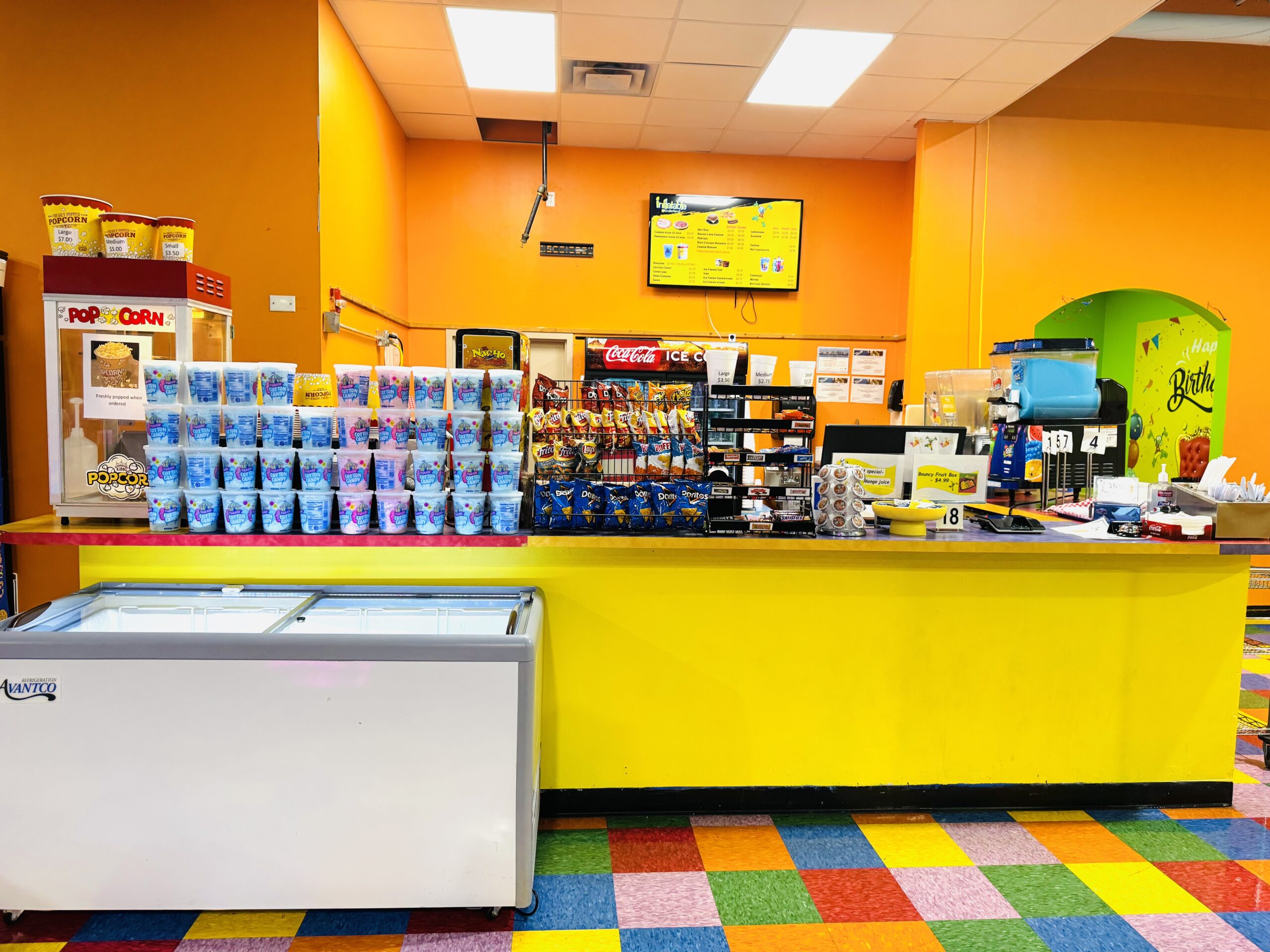
For Austin families, an active outing such as Inflatable Wonderland Austin can be part of that larger family routine.
After a day of jumping, climbing, running and playing, families can return home for a simple meal together.
The point isn’t to use an outing as a reward for eating.
It’s to create a healthy balance of food, movement, play and family experiences.
How to Handle a Child Who Refuses Dinner
When a child says:
“I don’t want this.”
try to avoid turning the situation into a long argument.
You can calmly respond:
“This is what we’re having tonight. You don’t have to eat it, but we’re not ordering another dinner.”
Keep a couple of familiar foods available as part of the meal when appropriate.
For example:
Chicken + rice + cucumber + fruit
If the child doesn’t want chicken, there may still be rice, cucumber or fruit they are comfortable eating.
This approach avoids becoming a short-order restaurant where a new meal is prepared every time a child says no.
What Parents Should Avoid at Mealtime
A few habits can unintentionally make picky eating and restaurant cravings more difficult.
Try to avoid:
- Constantly preparing a completely separate meal
- Pressuring children to clean their plates
- Using dessert or restaurant food as a reward
- Making children feel guilty about rejecting food
- Offering unlimited snacks immediately after dinner
- Making every conversation about whether they ate enough
- Serving exactly the same foods every day
Instead, focus on consistent routines, variety and low-pressure exposure to different foods.
A Simple Weekly Home Meal Plan for Kids
Here’s an easy framework parents can adapt to their family’s preferences.
| Day | Family Meal Idea |
|---|---|
| Monday | Chicken or paneer quesadillas + fruit |
| Tuesday | Build-your-own rice bowls |
| Wednesday | Homemade sliders + potato wedges |
| Thursday | Pasta bar + vegetables |
| Friday | Family homemade pizza night |
| Saturday | Build-your-own tacos |
| Sunday | Favorite traditional family meal |
Snacks can rotate between options such as:
- Yogurt and fruit
- Cheese and crackers
- Smoothies
- Toast with nut or seed butter
- Eggs
- Fruit with yogurt
- Homemade muffins
- Vegetables with dip
The exact foods can change based on your child’s age, preferences, allergies and nutritional needs.
The Bigger Goal: Raise a Flexible Eater
The goal isn’t to make a child love every vegetable.
It isn’t to eliminate restaurant food.
And it isn’t to make every home meal exciting.
The long-term goal is to help children become comfortable with variety and flexible enough to enjoy different foods in different settings.
That takes time.
Some days they will eat enthusiastically.
Some days they will barely touch dinner.
Some foods will become favorites and then suddenly lose their appeal.
That doesn’t mean you’ve failed.
Consistency matters more than perfection.
Takeaways for Parents
- Children may prefer restaurants because of the experience, not simply the food.
- Home meals can become more appealing through choice, variety and participation.
- Build-your-own meals are an easy way to make familiar foods more engaging.
- Restaurant favorites can often be recreated at home.
- Change the presentation of fruit and other nutritious foods instead of eliminating them.
- Offer limited choices rather than asking children to choose the entire meal.
- Avoid making restaurant food a reward for eating.
- Don’t become a short-order cook every time your child refuses dinner.
- Keep family meals low-pressure and consistent.
- Combine nutritious food with opportunities for play, movement and family connection.
Conclusion: Make Home Food an Experience
When a child constantly asks to eat outside, the answer isn’t necessarily to find a healthier restaurant or cook increasingly complicated meals.
Start by asking a different question:
“What does my child enjoy about eating out?”
Maybe it’s the choices.
Maybe it’s the presentation.
Maybe it’s the ability to customize the meal.
Maybe it’s simply the fact that eating out feels different from an ordinary Tuesday night at home.
Once you understand that, you can bring some of those elements into your own kitchen.
A build-your-own taco night, homemade pizza evening, family cooking activity or special breakfast-for-dinner can turn an ordinary meal into something your child looks forward to.
And when those experiences are balanced with active family outings—such as a day of play at Inflatable Wonderland Austin—children get more than another meal or another activity.
They get opportunities for play, independence, family connection and new experiences.
That’s the kind of routine that can make both home food and family time something children look forward to.
Frequently Asked Questions About Kids Who Prefer Eating Out
Why does my child prefer restaurant food to home-cooked food?
Restaurant food can be appealing because it provides variety, stronger flavors, different textures, choices and a change from the normal routine. A child’s preference for eating out does not necessarily mean they dislike your cooking.
How can I make home-cooked food more appealing to kids?
Give children limited choices, let them participate in preparing food, create build-your-own meals, change food presentation and recreate some of their favorite restaurant-style meals at home.
What are easy home meals for picky eaters?
Build-your-own tacos, quesadillas, mini pizzas, pasta bowls, rice bowls, homemade sliders and wraps can be good starting points because children can customize what goes into their meal.
How can I get my child to eat more fruit?
Offer fruit in different forms, such as smoothies, yogurt parfaits, fruit skewers, frozen fruit or fruit with a dipping option. Continue offering variety without forcing your child to eat a particular amount.
Should I stop taking my child to restaurants?
Not necessarily. Eating out can be part of a balanced family routine. The goal is to prevent restaurant food from becoming the automatic answer every time your child doesn’t want a home meal.
Should I force my child to eat home-cooked food?
Avoid turning food into a power struggle. Parents can establish what foods are offered and when meals happen, while children can have some control over whether and how much they eat. Persistent or severe eating difficulties should be discussed with a pediatrician or qualified pediatric feeding professional.
How can I make family meals more enjoyable?
Focus on participation and connection. Let children help prepare food, give them appropriate choices, create themed dinners, eat together without distractions when possible and make family meals part of a broader routine that includes play and shared experiences.