
Walk into a home with children and you’ll probably find toys. In the bedroom. In the living room. Under the couch. Inside the car. Sometimes even in places where nobody remembers putting them. And then another birthday arrives. More toys. The holidays come. More toys. Grandparents visit. More toys. Party favors come home. More toys. Eventually many parents reach the same point: “My kids have too much stuff. How do I declutter without taking away the things they love?” That’s a much harder question than simply figuring out how to organize a playroom. Because when children are involved, decluttering isn’t just about getting rid of things. It’s about deciding what deserves space in your family’s life. For San Antonio parents trying to manage toys, stuffed animals, crafts, birthday gifts and everything else children accumulate, here’s a realistic approach. Quick Takeaways Don’t start by buying more storage containers. First determine whether your child simply owns too much. Declutter by category rather than trying to organize the entire house at once. Keep toys your children genuinely use rather than toys you hope they’ll eventually use. Involve older children in decisions instead of secretly removing everything. Don’t force children to discard deeply sentimental possessions simply to achieve a minimalist-looking room. Create a temporary “maybe box” for difficult decisions. Birthdays and holidays are good opportunities to introduce experience-based gifts. Grandparents and relatives can give experiences, memberships, outings or contributions toward activities instead of always buying another toy. Decluttering should make childhood easier to enjoy—not make children afraid to own things.
Too Many Toys? How to Declutter Kids’ Toys Without Throwing Away Their Childhood
Too Many Toys? How to Declutter Kids’ Toys Without Throwing Away Their Childhood
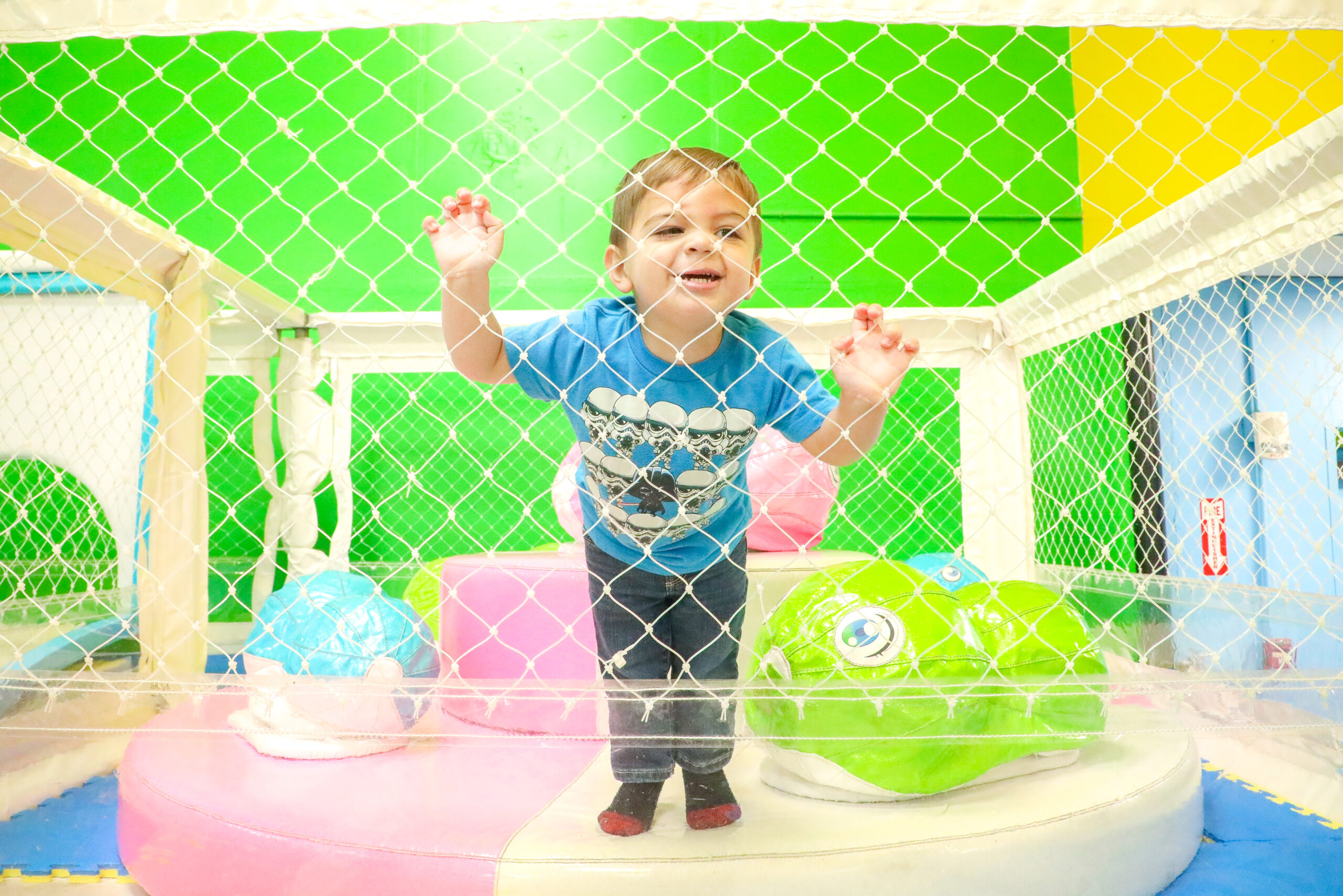
Why Do Families With Kids Accumulate So Much Stuff?
Most parents don’t intentionally decide:
“I want 147 toys in my house.”
It happens gradually.
A birthday brings ten gifts.
A holiday adds another fifteen.
A grandparent sees something cute.
A school event sends something home.
A fast-food meal comes with a small toy.
Someone gives you a bag of hand-me-downs.
A child becomes obsessed with dinosaurs for six months, so dinosaurs appear everywhere.
Then the dinosaur phase ends—but the dinosaurs don’t leave.
Multiply that over several years and multiple children and suddenly you’re wondering where everything came from.
The problem isn’t necessarily that families are buying irresponsibly.
Children’s possessions accumulate faster than most families remove them.
Decluttering and Cleaning Are Not the Same Thing
This distinction matters.
You can clean a room containing 100 toys.
Tomorrow, you still have 100 toys.
If keeping the house clean with young children is the bigger challenge, our guide to keeping a clean house with toddlers covers practical routines for managing everyday messes.
Decluttering asks a different question:
Do we actually need to keep all 100?
Cleaning manages what you own.
Decluttering decides what is worth continuing to own.
For families who constantly organize the same piles, the solution may not be another shelf or another storage basket.
It may simply be fewer things.
Step 1: Don’t Declutter the Entire House
This is where many ambitious Saturday-morning projects fail.
You look around and decide:
“Today we’re cleaning EVERYTHING.”
Three hours later, every closet has been emptied and the house somehow looks worse.
Start small.
Choose one category:
- stuffed animals
- toy cars
- dolls
- building toys
- puzzles
- art supplies
- dress-up clothes
- books
- outdoor toys
Finish that category before moving to another.
Small victories are much easier to sustain.
Step 2: Find the Toys Your Kids Actually Play With
This can be surprisingly revealing.
Parents sometimes keep toys because they were expensive.
Or educational.
Or gifts from someone special.
Or because the child might play with them someday.
But watch your child for a couple of weeks.
Which toys repeatedly come out?
Which haven’t moved?
You might discover your child owns 40 toys but regularly plays with six.
Those six are telling you something.
Children don’t necessarily need endless choices to play well.
Step 3: Use Four Simple Categories
When sorting children’s belongings, create four groups:
KEEP
Things your child regularly uses or genuinely values.
DONATE
Good-condition items another family could enjoy.
TRASH/RECYCLE
Broken, incomplete or unusable items.
MAYBE
The difficult ones.
That fourth category is important.
Not every decision has to happen immediately.
Put the “maybe” items in a box and store it away temporarily.
If nobody asks for anything inside it for several months, the decision may become much easier.
Should You Declutter Your Kids’ Toys Without Telling Them?
This depends greatly on age and the item.
Parents understandably remove broken toys, obvious trash and forgotten little trinkets.
But secretly removing something a child genuinely values can damage trust.
Adults sometimes underestimate children’s emotional attachment to seemingly insignificant objects.
That scratched toy car?
Your child remembers playing with Grandpa with it.
That stuffed animal missing an eye?
It might have slept beside your child for four years.
Its financial value may be almost zero.
Its emotional value may be enormous.
As children get older, involve them more.
Try asking:
“Which toys do you think another child would really enjoy?”
That’s very different from:
“You have too much stuff. Pick ten things to throw away.”
One feels generous.
The other feels like punishment.
Don’t Make Decluttering a Punishment
Avoid:
“If you don’t clean your room, I’m throwing everything away.”
That connects decluttering with fear and anger.
Instead, teach children that possessions require responsibility.
We keep things we:
use, need, enjoy or deeply value.
Things that no longer serve us can sometimes serve someone else.
That’s a life skill children can carry into adulthood.
What About Expensive Toys?
This is where parents struggle.
You paid $80 for something.
Your child played with it twice.
Now it has been untouched for a year.
Keeping it doesn’t recover the $80.
It simply continues using space.
If it’s in good condition, consider selling it, passing it to another family or donating it.
The purchase already happened.
The question now is whether keeping the item adds value to your family’s life.
What About Sentimental Toys?
Don’t declutter childhood so aggressively that nothing remains.
Some things deserve to stay.
A favorite stuffed animal.
A first birthday toy.
A special book.
A handmade item.
Something connected to a grandparent.
Create a memory box for genuinely meaningful possessions.
The key word is meaningful.
If everything becomes sentimental, eventually nothing is being selected.
Birthdays Are Often Where Toy Clutter Explodes
Imagine inviting 15 children to a birthday party.
If every family brings a toy, your child might receive 15 new things in one afternoon.
That’s exciting.
But how many will still be played with six months later?
Parents don’t need to eliminate birthday presents.
Instead, consider occasionally giving relatives other ideas.
For example:
“She’s really into swimming right now.”
“He would love tickets to the zoo.”
“We’re saving toward a bicycle.”
“She loves doing things with Grandma.”
“He’d love a special day out with you.”
This introduces another possibility:
Give Kids Experiences, Not Only Things
Children absolutely love toys.
There’s nothing wrong with that.
But every happy childhood memory doesn’t need to come in a box.
Think about what children often remember:
The first roller coaster they rode.
Going swimming with Dad.
Baking cookies with Grandma.
Playing with cousins.
Going bowling.
Jumping and sliding with friends.
Visiting a zoo.
Watching their favorite team.
Celebrating their birthday.
Those experiences don’t require permanent shelf space.
For San Antonio families, an experience gift could be a zoo visit, children’s museum trip, sporting event, swimming outing, park adventure or indoor play day.
For younger children, a visit to Inflatable Wonderland San Antonio inside Rolling Oaks Mall can also become the gift.
Instead of:
“Here’s another toy.”
Grandparents, aunts, uncles or parents can say:
“I’m taking you somewhere fun today.”
The child still receives something valuable:
time + attention + experience + memory.
And nothing needs to be stored afterward.
Try the “One Experience for One Thing” Birthday Idea
You don’t need an extreme “no gifts” policy.
Balance works better.
A birthday might include:
one thing the child really wants,
something useful,
a book,
and an experience.
The goal isn’t to deprive children.
It’s to shift from quantity to value.
Ten random toys aren’t necessarily better than one toy a child desperately wanted plus an unforgettable family outing.
Talk to Grandparents Without Hurting Their Feelings
This can be delicate.
For many grandparents, giving is an expression of love.
Saying:
“Please stop buying our kids stuff.”
may not land particularly well.
Instead try:
“They already have so many toys. What they really love is spending time with you. Maybe for their birthday you could take them somewhere special.”
Now you’re not rejecting the grandparent’s generosity.
You’re redirecting it.
Instead of adding another possession, they’re creating a relationship and a memory.
Create a Birthday and Holiday Decluttering Rhythm
One of the easiest ways to prevent toy accumulation is to declutter before predictable gift-heavy occasions.
A few weeks before a birthday:
Review toys.
Donate unused items.
Make room.
Do the same before major gift-giving holidays.
Then new belongings aren’t simply added on top of everything accumulated during previous years.
Should Kids Have Fewer Toys?
There’s no magic number.
One child may deeply engage with dozens of toys.
Another might repeatedly choose the same handful.
Instead of counting toys, watch what happens in your home.
Ask:
Can the child find what they’re looking for?
Can they reasonably clean up?
Is the room usable?
Are toys actually being played with?
Are possessions constantly overflowing into unrelated areas?
Does cleanup feel impossible because there is simply too much?
If your organization system works, you may not have a problem.
If you’re constantly buying containers to contain containers, reducing the amount may help more than reorganizing it again.
Don’t Turn Minimalism Into Another Parenting Competition
Social media can make family homes look impossibly perfect.
Beautiful wooden toys.
Matching baskets.
Neutral-colored playrooms.
Nothing out of place.
Real family homes usually don’t look like that all day.
Children live there.
They play there.
They build things.
They create things.
They make messes.
The goal of decluttering isn’t to make your house look like children disappeared.
It’s to make your home easier for your family to use.
Let Home Be Home—and Let Big Play Happen Elsewhere Sometimes
Children need room to play.
But parents don’t have to turn every room of the house into a playground.
Some activities can happen at home.
Others can happen outside.
San Antonio families have parks, libraries, museums, community activities and indoor play destinations where children can experience different kinds of fun.
For families with younger children, Inflatable Wonderland San Antonio at Rolling Oaks Mall offers an indoor place where kids 11 and younger can bounce, climb, slide and play.
Instead of purchasing another large toy that takes up half the living room, sometimes the family can simply go somewhere designed for big active play.
Then everyone goes home.
The experience stays.
The giant playground doesn’t come home with you.
That’s a pretty good decluttering strategy.
A Simple Weekend Decluttering Challenge for Families
Don’t try to transform your entire house this weekend.
Choose one category.
Set a short amount of time.
Ask your children to help.
Create Keep, Donate, Trash/Recycle and Maybe groups.
Finish.
Then do something enjoyable together.
Decluttering shouldn’t consume the entire family’s weekend.
The purpose of creating more space isn’t to spend your life organizing that space.
It’s to make everyday family life a little easier.
Key Takeaways
Having children naturally means accumulating things.
The answer isn’t necessarily a perfectly minimalist home.
Instead:
Own enough for children to explore—but not so much that possessions become difficult to manage.
Keep favorite toys.
Protect meaningful items.
Donate things children have outgrown.
Remove broken items.
Think carefully before bringing more things home.
And occasionally replace another physical gift with something children may value even more:
an experience with someone they love.
Conclusion: Less Stuff Can Create More Room for Childhood
Decluttering a home with children shouldn’t be about creating an Instagram-perfect playroom.
It should make family life easier.
When there are fewer unnecessary possessions, children may find their favorite toys more easily. Cleanup can become simpler. Parents can spend less time moving things from one place to another.
But don’t become so focused on removing clutter that childhood itself starts feeling restricted.
Kids should have toys.
They should create.
They should make messes.
They should collect strange little treasures adults don’t understand.
They should also learn that they don’t need to own something new every time they want to have fun.
Some of childhood’s best memories aren’t possessions at all.
They’re experiences.
For San Antonio families, that might mean a day at the park, visiting grandparents, exploring the city, going swimming or spending an afternoon bouncing, climbing and sliding at Inflatable Wonderland San Antonio inside Rolling Oaks Mall.
Eventually toys get outgrown.
Experiences become stories.
And those stories don’t require another storage bin.
Frequently Asked Questions
How do I declutter my house when I have kids?
Start with one category rather than the entire house. Separate belongings into Keep, Donate, Trash/Recycle and Maybe groups. Focus first on unused, broken and outgrown items.
How do I get rid of kids’ toys without upsetting them?
Involve children in age-appropriate decisions, particularly with belongings they value. Framing donations around helping another child can be more positive than simply telling children they own too much.
Should I secretly throw away my child’s toys?
Parents can usually handle obvious trash and broken items, but be careful with possessions that may carry emotional value. Older children should increasingly participate in decisions about their belongings.
What should I do with toys my kids no longer use?
Depending on their condition, consider donating them, passing them to another family, selling them or recycling them where appropriate.
How can I stop toys from accumulating after birthdays?
Declutter before birthdays, communicate with relatives and consider mixing traditional presents with experience gifts, books, activities or contributions toward something the child genuinely wants.
Are experience gifts good for kids?
They can be. Experiences provide another way for relatives and parents to celebrate children without always adding physical possessions. The best choice depends on the child’s personality and interests.
What are some experience gift ideas for kids in San Antonio?
Families can consider museums, zoo visits, sporting events, swimming, parks, classes and indoor play experiences. Inflatable Wonderland San Antonio inside Rolling Oaks Mall is another option for families with children 11 and younger looking for active indoor play.
Where is Inflatable Wonderland San Antonio?
Inflatable Wonderland San Antonio is located inside Rolling Oaks Mall in northeast San Antonio, Texas. It offers indoor active play for children 11 years old and younger.
Visit Us Today